Executive Summary
The AI Governance and Value Delivery Ontology and Taxonomy Framework was developed to address a persistent challenge in AI-enabled transformation: organizations frequently achieve technical delivery while failing to realize sustainable organizational value.
Many AI-enabled initiatives successfully deploy models, assistants, dashboards, automations, or decision-support capabilities. However, technical success alone does not guarantee improved outcomes, measurable benefits, positive impacts, or long-term value creation.
The challenge is therefore not solely technological.
It is governance-related, organizational, strategic, financial, human, operational, and increasingly dependent on the organization’s ability to manage uncertainty, adoption, accountability, and continuous value realization.
Paper 1 established the conceptual foundation of the framework through ontology, taxonomy, semantic relationships, value delivery logic, and Human-in-Command governance.
Paper 2 translated those concepts into a governance operating model incorporating governance triggers, escalation pathways, lifecycle governance, drift management, uncertainty governance, adaptive governance, and continuous value validation.
Paper 4 introduced the future evolution of the framework toward governance intelligence, semantic knowledge architectures, governance copilots, governance agents, and Semantic PMO capabilities.
Paper 5 provides the reference structures, catalogs, templates, implementation assets, and governance artifacts required to support adoption.
Paper 3 serves as the practical implementation guide for the framework.
Its purpose is to provide organizations with a repeatable method for applying the framework to:
- Projects
- Programs
- Portfolios
- Products
- Operational AI capabilities
- Governance capabilities
- AI-enabled transformation initiatives
The guide supports:
- Business case development
- Governance profile assignment
- Benefits realization
- Portfolio prioritization
- Human-in-Command accountability
- Responsible AI implementation
- Governance trigger management
- Assurance planning
- Lifecycle governance
- Governance intelligence readiness
The framework treats AI-enabled initiatives as adaptive value delivery systems operating under conditions of uncertainty, changing assumptions, evolving stakeholder expectations, and dynamic governance requirements.
The framework’s central value-delivery logic remains consistent across all five papers:
Output → Outcome → Benefit → Impact → Net Impact
This logic reinforces a fundamental proposition:
AI outputs do not create value directly.
Outputs generate outcomes.
Outcomes realize benefits.
Benefits contribute to impacts.
Net impact determines whether value is created, neutral, or destroyed.
The objective of governance is therefore not simply to control AI-enabled initiatives.
The objective is to continuously steward responsible value delivery under uncertainty.
1. Introduction
1.1 Context
Artificial Intelligence is increasingly embedded in organizational products, services, operations, governance systems, customer interactions, workforce capabilities, portfolio decision-making, and strategic transformation initiatives.
Organizations are no longer implementing isolated AI tools.
They are pursuing AI-enabled transformation.
Examples include:
- Customer experience modernization
- Workforce augmentation
- Governance intelligence
- Portfolio optimization
- Risk management
- Sustainability improvement
- Operational automation
- Decision intelligence
As adoption accelerates, organizations face challenges that extend beyond technology implementation.
These challenges include:
- Value realization
- Human accountability
- Governance complexity
- Adoption risk
- Benefit uncertainty
- Regulatory evolution
- Vendor dependency
- Ethical considerations
- Sustainability implications
- Organizational readiness
Traditional project governance remains valuable but is often insufficient when applied to AI-enabled environments.
AI-enabled initiatives frequently operate in conditions characterized by:
- Probabilistic outcomes
- Adaptive behavior
- Data dependency
- Dynamic operating environments
- Continuous learning
- Evolving stakeholder expectations
Governance must therefore extend beyond delivery oversight.
Governance must encompass:
- Value realization
- Uncertainty management
- Accountability
- Adaptation
- Continuous monitoring
- Responsible AI
1.2 Relationship to Companion Papers
The framework consists of five integrated papers.
Paper 1
Defines:
- Ontology
- Taxonomy
- Semantic relationships
- Value delivery logic
- Human-in-Command governance
Paper 2
Defines:
- Governance triggers
- Escalation pathways
- Override mechanisms
- Drift management
- Lifecycle governance
- Portfolio governance
Paper 3
Defines:
- Practical application methods
- Classification approaches
- Governance profile assignment
- Use case structures
- Benefits realization methods
- Implementation guidance
Paper 4
Defines:
- Governance intelligence roadmap
- Knowledge graph evolution
- Governance copilots
- Governance agents
- Semantic PMO capabilities
Paper 5
Provides:
- Reference catalogs
- Governance registries
- Templates
- Glossary
- Implementation assets
Together, the five papers form a comprehensive governance framework for AI-enabled value delivery.
1.3 Guiding Principle
Organizations should govern AI-enabled initiatives based on value realization rather than technical deployment.
Successful deployment does not guarantee successful outcomes.
Successful outcomes do not automatically generate benefits.
Benefits do not automatically create positive impacts.
Impacts do not automatically produce positive net impact.
Governance exists to continuously evaluate and manage those relationships.
2. Purpose of the Practical Application Guide
2.1 Purpose
The purpose of this guide is to operationalize the framework.
The guide transforms ontology, governance theory, taxonomy structures, governance operating concepts, and future governance intelligence concepts into repeatable implementation methods.
Organizations should be able to use the guide to:
- Define AI-enabled initiatives
- Classify initiatives consistently
- Assign governance profiles
- Assess uncertainty
- Define Human-in-Command requirements
- Establish monitoring approaches
- Define governance triggers
- Define assurance requirements
- Assess benefits realization
- Evaluate net impact
2.2 Governance Objectives
The guide supports six governance objectives.
Objective 1 – Convert Concepts into Practice
Transform ontology entities and governance concepts into implementation patterns.
Objective 2 – Support Business Case Development
Enable governance-aware business case creation.
Objective 3 – Support Governance Tailoring
Match governance intensity to context.
Objective 4 – Support Portfolio Prioritization
Provide a common framework for comparing AI-enabled initiatives.
Objective 5 – Support Benefits Realization
Connect outputs, outcomes, benefits, impacts, and net impact.
Objective 6 – Support Continuous Value Validation
Ensure expected value remains achievable throughout the lifecycle.
3. Applying the Framework in Practice
3.1 Practical Application Philosophy
The framework should not be applied as a compliance checklist.
The framework should be applied as a governance-informed value delivery method.
The purpose is to improve organizational decision-making under uncertainty.
The objective is not bureaucracy.
The objective is responsible value delivery.
3.2 Framework Alignment Model
Paper 3 serves as the operational bridge across the framework.
Paper 1 provides:
Ontology + Taxonomy
Paper 2 provides:
Governance Operating Model
Paper 3 provides:
Practical Application Method
Paper 4 provides:
Governance Intelligence Roadmap
Paper 5 provides:
Reference Assets and Implementation Templates
The practical guide integrates all five components into a single implementation approach.
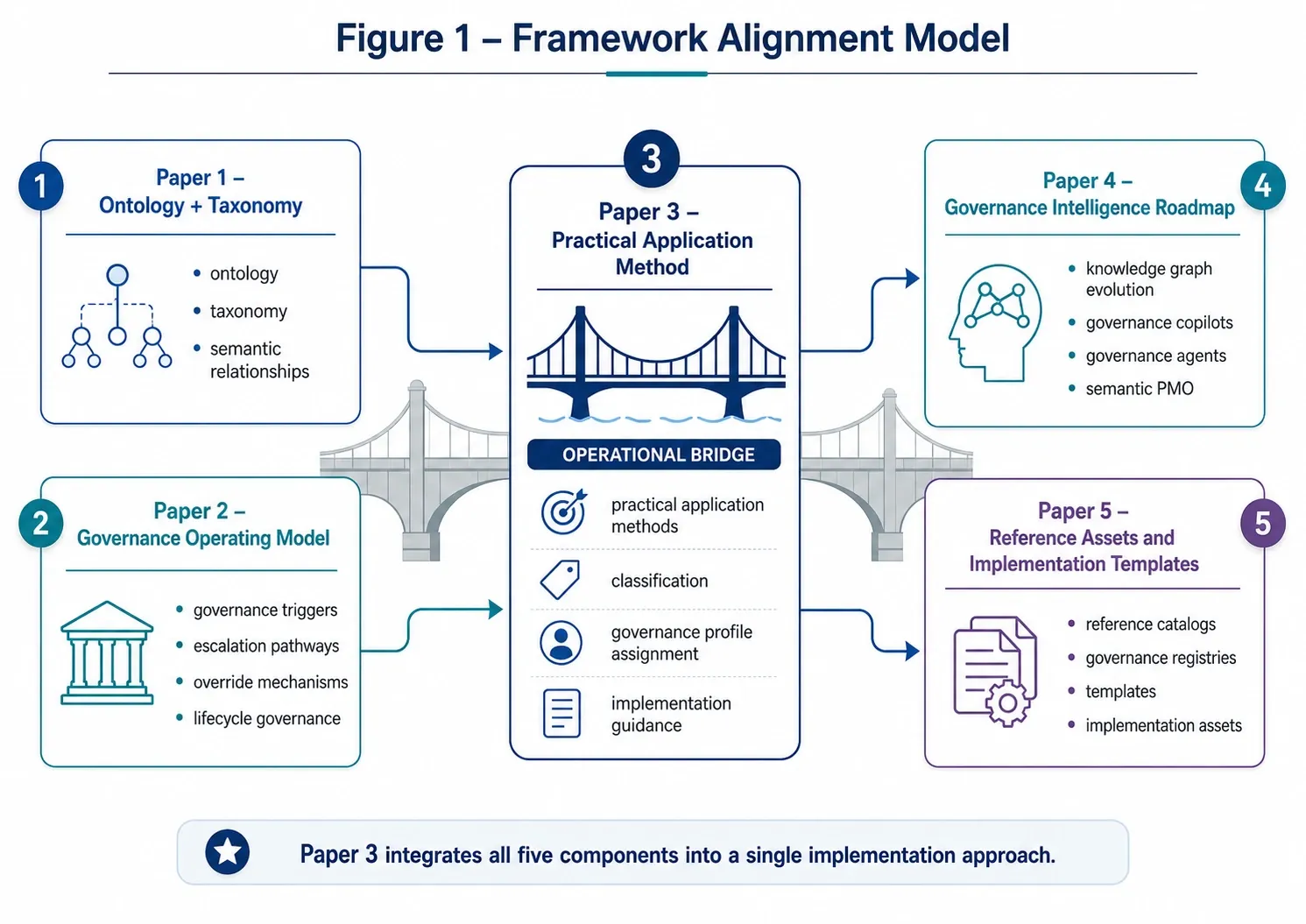
Figure 1 – Framework Alignment Model
3.3 Framework Application Sequence
Organizations should apply the framework using the following sequence:
1.Define the Initiative
2.Define the Organizational Objective
3.Identify the Business Capability
4.Define the AI-enabled Value Stream
5.Classify the Initiative
6.Assess Governance Profile
7.Assess Uncertainty
8.Define Human-in-Command Requirements
9.Define Monitoring Requirements
10.Define Governance Triggers
11.Define Assurance Requirements
12.Define Benefits Realization Approach
13.Define Net Impact Assessment Approach
14.Define Lifecycle Governance Requirements
15.Define Governance Intelligence Readiness
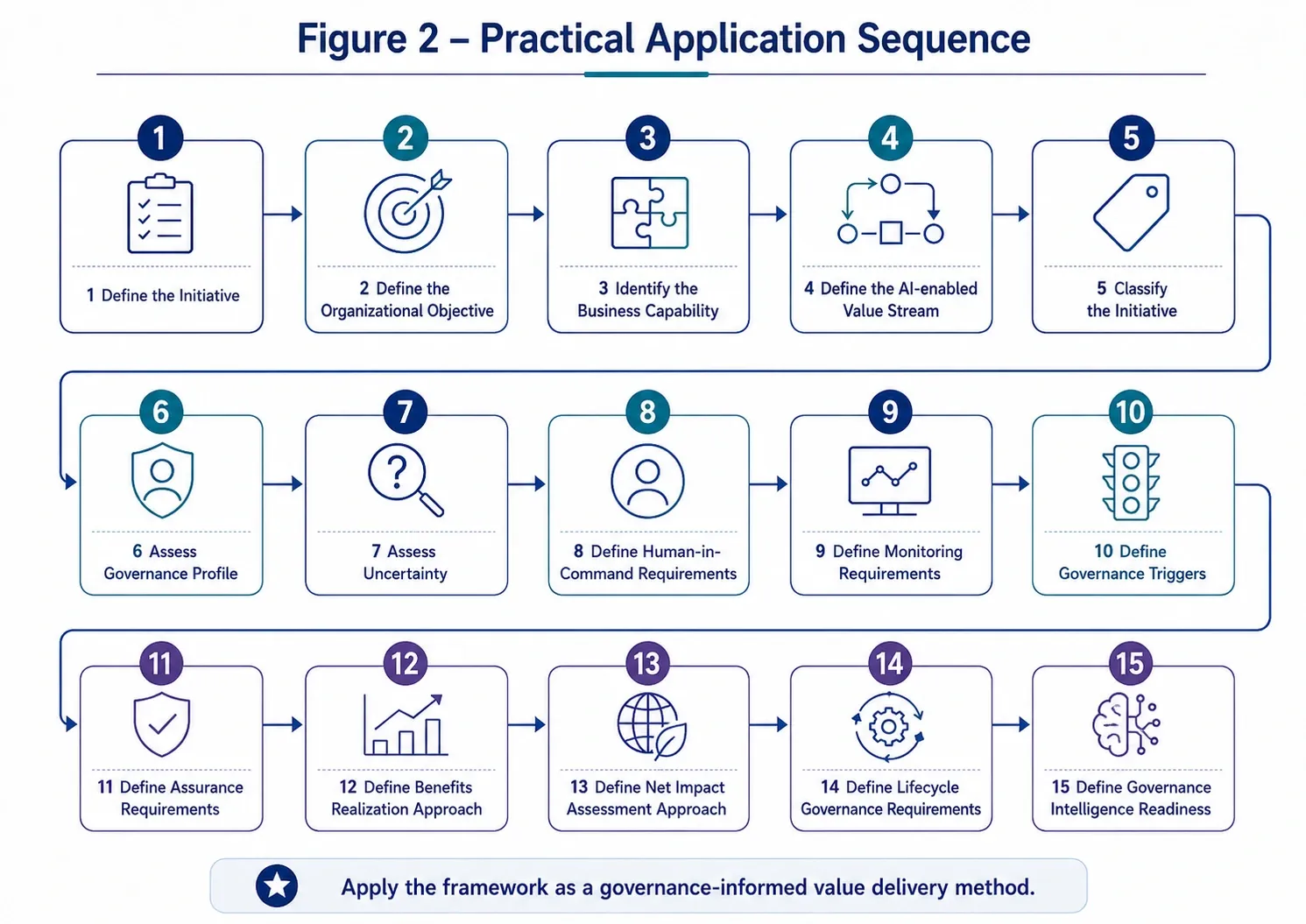
Figure 2 – Practical Application Sequence
3.4 Tailoring Principles
Governance should be tailored according to:
- Human impact
- Regulatory exposure
- Data sensitivity
- Strategic importance
- Uncertainty
- Autonomy
- Sustainability implications
- Organizational readiness
Tailoring is a governance obligation.
4. Use Case Pattern Structure
4.1 Purpose
Use cases provide the primary implementation mechanism for applying the framework.
A standardized use case structure supports:
- Governance consistency
- Portfolio comparison
- Benefits realization
- Future knowledge graph implementation
- Governance intelligence readiness
4.2 Governance-Aware Use Case Pattern
Each use case should contain:
Strategic Context
- Initiative
- Organizational Objective
- Business Capability
Taxonomy Classification
- AI Role in PPPM
- AI Capability Type
- AI Problem Pattern
- Business Intent
- Value Profile
Value Delivery
- AI-enabled Value Stream
- Outputs
- Outcomes
- Benefits
- Impacts
- Net Impact
Governance
- Governance Profile
- Human-in-Command Requirements
- Governance Trigger Profile
- Assurance Requirements
Operational Considerations
- Data Dependency Profile
- AI Quality and Reliability Profile
- Human Impact Profile
- Change Management Profile
- Adoption Profile
- Vendor Dependency Profile
- Sustainability Profile
Monitoring
- Benefit Indicators
- Drift Indicators
- Governance Metrics
Future Readiness
- Governance Intelligence Readiness
- Knowledge Graph Readiness
5. Classification Method
5.1 Purpose
Classification exists to support governance decisions.
The objective is not merely to describe AI.
The objective is to determine governance implications.
5.2 Classification Principles
Classification should be:
- Consistent
- Governance-Relevant
- Multi-Dimensional
- Lifecycle-Aware
- Human-Centered
- Extensible
5.3 Fourteen-Dimensional Classification Model
Every AI-enabled initiative should be classified using the canonical framework taxonomy.
All fourteen dimensions are mandatory.
An initiative is not considered fully classified until all dimensions have been assessed.
The dimensions are:
1.AI Role in PPPM
2.AI Capability Type
3.AI Problem Pattern
4.Business Intent
5.Value Profile
6.Governance Profile
7.Financial Profile
8.Data Dependency Profile
9.AI Quality and Reliability Profile
10.Human Impact Profile
11.Change Management and Organizational Readiness Profile
12.Adoption Profile
13.Vendor Dependency Profile
14.Sustainability Profile
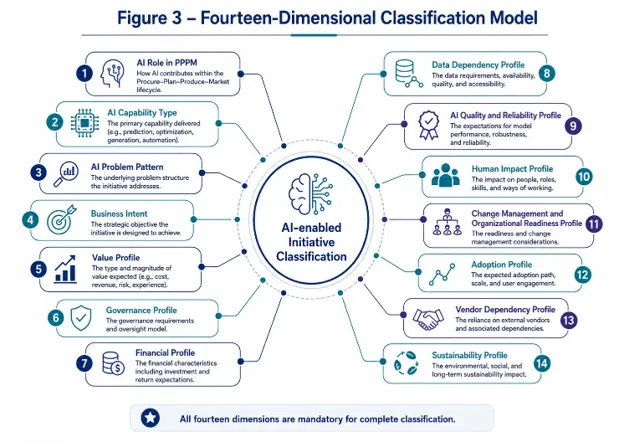
Figure 3 – Fourteen-Dimensional Classification Model
5A. AI Role in PPPM Classification
Organizations should identify how AI functions within the initiative.
Categories include:
- AI as PPPM Tool
- AI as Project Deliverable
- AI as Operating Capability
- AI as Governance Capability
An initiative may belong to multiple categories.
5B. AI Problem Pattern Classification
AI should be classified according to the problem being solved.
Categories include:
- Recognition
- Prediction
- Anomaly Detection
- Conversational Interaction
- Decision Support
- Goal-Driven System
- Autonomous System
- Hyper-Personalization
- Optimization
Problem-pattern classification improves governance consistency.
5C. AI Quality and Reliability Profile
Every initiative should assess:
- Robustness
- Reliability
- Explainability
- Traceability
- Security
- Privacy
- Validation
- Monitoring
- Maintainability
- Failure Recovery
Quality expectations should influence governance intensity.
5D. Change Management and Organizational Readiness Profile
Every initiative should assess:
- Stakeholder Readiness
- Workflow Impact
- Training Requirements
- Trust Dependency
- Adoption Complexity
- Change Resistance Potential
Adoption should be treated as a governance concern rather than a deployment activity.
6. Benefit and Impact Mapping
6.1 Purpose
Benefit and Impact Mapping translates the framework’s value delivery logic into practical governance, investment, delivery, and benefits realization activities.
One of the most common governance failures in AI-enabled initiatives occurs when delivery success is mistaken for value realization.
Organizations frequently measure:
- Model deployment
- System implementation
- Feature completion
- Schedule adherence
while failing to measure whether meaningful value has actually been created.
The framework therefore distinguishes five separate concepts:
Output → Outcome → Benefit → Impact → Net Impact
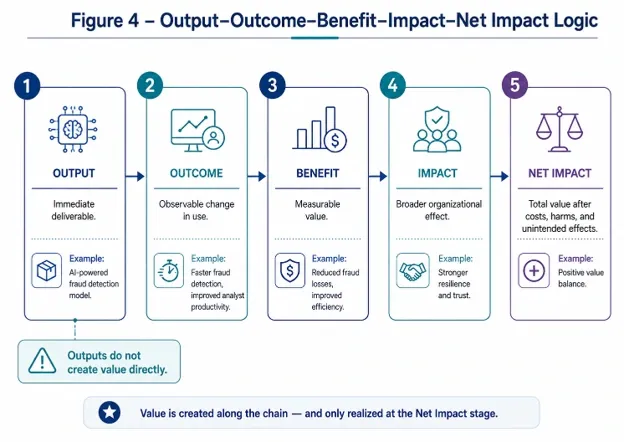
Figure 4 – Output–Outcome–Benefit–Impact–Net Impact Logic
Each represents a different level of value realization and requires different governance, monitoring, and accountability mechanisms.
6.2 Outputs
Outputs are the immediate deliverables produced by an initiative.
Examples include:
- AI models
- Dashboards
- Decision recommendations
- Knowledge assistants
- Predictive alerts
- Workflow automations
- Governance copilots
- Portfolio intelligence tools
Outputs represent delivery.
Outputs do not represent value.
Governance Question
Has the intended output been delivered?
Example
Output: AI-powered fraud detection model
This does not automatically create value.
The model merely creates the possibility of value.
6.3 Outcomes
Outcomes are observable changes resulting from the use of outputs.
Examples include:
- Faster decisions
- Improved customer service
- Reduced fraud detection time
- Improved knowledge access
- Improved portfolio visibility
- Increased operational reliability
Outcomes represent behavioral, operational, or performance changes.
Governance Question
Has the output changed behavior, performance, capability, or experience?
Example
Output: Fraud detection model
Outcome: Fraud is identified 30% faster.
6.4 Benefits
Benefits are measurable advantages generated by outcomes.
Financial Benefits
- Cost reduction
- Revenue growth
- Loss avoidance
Operational Benefits
- Productivity improvement
- Reduced cycle time
- Increased throughput
Human Benefits
- Workforce augmentation
- Reduced cognitive burden
- Improved knowledge accessibility
Strategic Benefits
- Improved resilience
- Enhanced competitiveness
- Increased agility
Governance Question
Are measurable advantages being realized?
Example
Outcome: Fraud identified faster
Benefit: Reduced fraud losses
6.5 Impacts
Impacts represent broader effects resulting from realized benefits.
Examples include:
Organizational Impacts
- Improved resilience
- Enhanced competitiveness
Human Impacts
- Workforce capability improvement
- Reduced stress
Societal Impacts
- Increased trust
- Improved accessibility
Environmental Impacts
- Reduced emissions
- Improved sustainability
Strategic Impacts
- Improved strategic positioning
- Increased long-term adaptability
Governance Question
What broader effects are occurring?
6.6 Net Impact
Net Impact represents the aggregate effect after considering:
- Benefits
- Costs
- Risks
- Disbenefits
- Unintended consequences
- Sustainability effects
Net Impact Assessment Logic
Positive Net Impact
Benefits exceed negative consequences.
Neutral Net Impact
Benefits and negative consequences are approximately balanced.
Negative Net Impact
Negative consequences exceed benefits.
Governance Question
Should the initiative continue, adapt, pause, or retire?
6.7 Financial Conversion
Organizations should convert benefits into financial terms where practical.
Methods may include:
- Labor cost savings
- Avoided losses
- Revenue enhancement
- Productivity gains
- Risk avoidance estimates
However, the framework explicitly recognizes that:
Not all value is financial.
Value may also be:
- Human
- Strategic
- Societal
- Environmental
and should not be ignored merely because monetization is difficult.
6A. Data Governance Profile
6A.1 Purpose
Data governance is a foundational governance concern.
Many AI governance failures originate from poor data governance rather than poor model design.
Data should therefore be treated as a governance object rather than merely a technical asset.
6A.2 Data Governance Dimensions
Every initiative should assess:
Data Ownership
Who owns the data?
Data Stewardship
Who is accountable for quality?
Data Quality
How reliable is the data?
Data Lineage
Can the data be traced?
Data Sensitivity
How sensitive is the information?
Privacy Obligations
What privacy requirements apply?
Data Sovereignty
Are jurisdictional restrictions applicable?
Retention Requirements
How long must data be retained?
Access Controls
Who can access the data?
Data Ethics
What ethical considerations apply?
6A.3 Data Governance Profiles
Examples include:
Low Dependency
Limited governance exposure.
Moderate Dependency
Moderate operational dependency.
High Dependency
Significant governance exposure.
Critical Dependency
Mission-critical governance dependency.
Governance intensity should increase as dependency increases.
7. Governance Profile Assignment
7.1 Purpose
Governance profiles determine:
- Oversight intensity
- Assurance requirements
- Human authority requirements
- Escalation pathways
- Monitoring expectations
Governance profiles are the primary tailoring mechanism within the framework.
7.2 Governance Profile Categories
The framework adopts the canonical governance profile taxonomy.
Low-Risk Assistive AI
Supports low-impact activities.
Human-in-the-Loop AI
Requires human validation before action.
Human-on-the-Loop AI
Requires ongoing supervision.
Regulated AI
Subject to regulatory oversight.
High-Impact AI
Significant human or societal consequences.
Autonomous AI
Delegated operational authority.
Human-in-Command AI
Humans retain ultimate authority and accountability.
7.3 Governance Intensity Matrix
Governance intensity should increase when:
- Human impact increases
- Regulatory exposure increases
- Autonomy increases
- Uncertainty increases
- Reversibility decreases
- Vendor dependency increases
- Sustainability consequences increase
7.4 Governance Profile Mapping
Each governance profile should define:
Monitoring Intensity
Assurance Requirements
Human Authority Requirements
Escalation Requirements
Trigger Sensitivity
Governance profiles should therefore become operational governance mechanisms rather than descriptive labels.
[
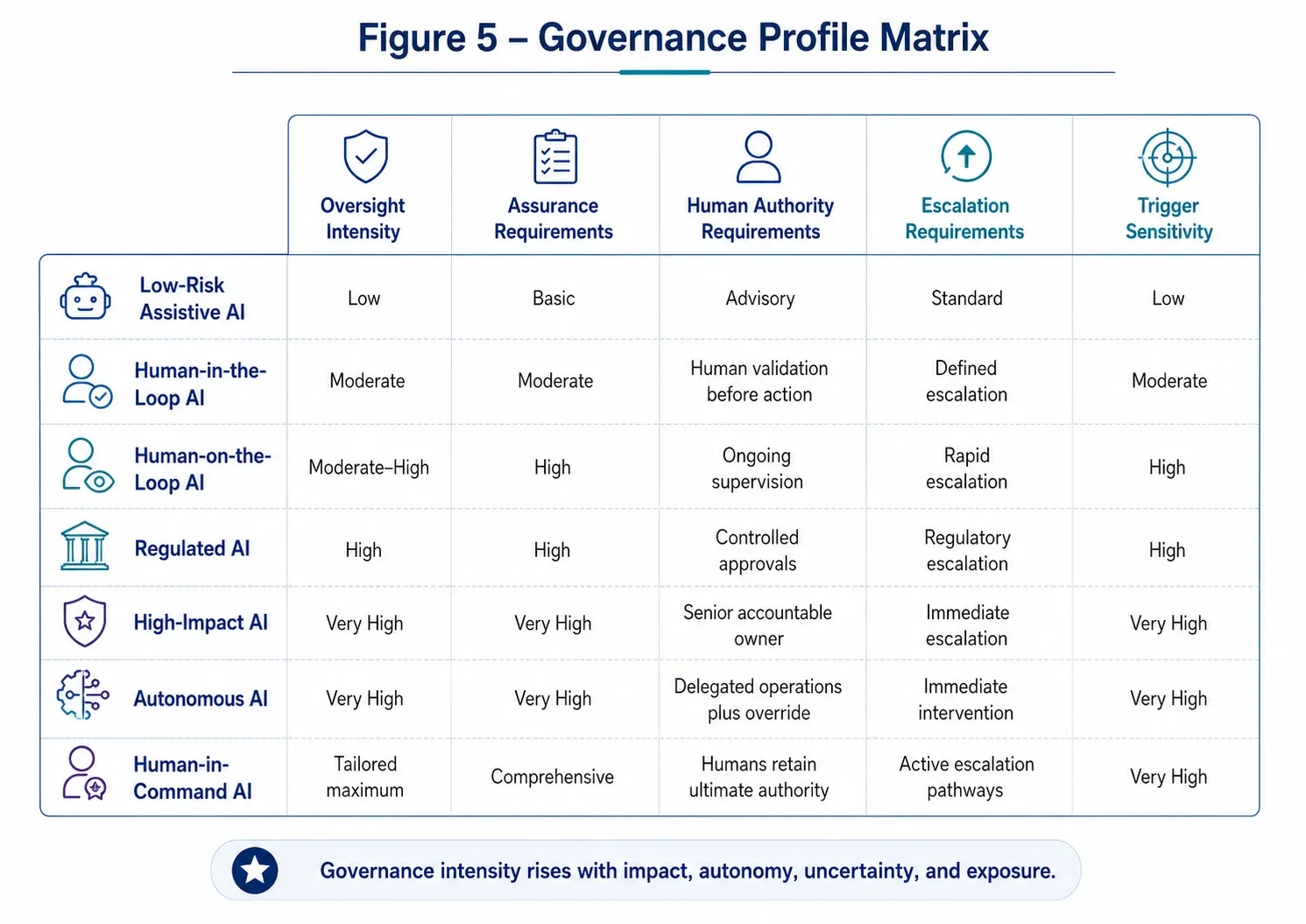
Figure 5 – Governance Profile Matrix
8. Uncertainty Profile Assignment
8.1 Uncertainty as a Governance Object
The framework treats uncertainty as a governance concern.
Uncertainty should be:
- Identified
- Assessed
- Monitored
- Reassessed
throughout the lifecycle.
8.2 Canonical Uncertainty Categories
Benefit Confidence
Will expected benefits occur?
Adoption Uncertainty
Will stakeholders adopt the capability?
Forecast Reliability
How reliable are forecasts?
ROI Uncertainty
How reliable are financial assumptions?
Data Uncertainty
How stable and reliable is the data?
Vendor Uncertainty
How reliable are external dependencies?
Regulatory Uncertainty
Could governance obligations change?
Model Drift Probability
Could performance deteriorate?
Benefit Drift Probability
Could value decline?
External Uncertainty
Could external conditions change?
8.3 Scoring Model
Organizations may use:
- Low
- Medium
- High
- Extreme
for each category.
8.4 Scenario-Based Assessment
All significant initiatives should evaluate:
Pessimistic Scenario
Base Scenario
Optimistic Scenario
Expected value should be evaluated across scenarios rather than relying on a single forecast.
9. Human-in-Command Requirements
9.1 Foundational Principle
Human-in-Command is the primary accountability principle of the framework.
AI may:
- Inform
- Recommend
- Optimize
- Monitor
- Automate
Humans remain accountable.
9.2 Authority Categories
Strategic Authority
Defines objectives and investment priorities.
Governance Authority
Defines governance boundaries and controls.
Operational Authority
Manages execution and intervention.
Override Authority
Can suspend, intervene, or override.
Value Owner
Accountable for continued value justification.
Benefits Owner
Accountable for benefit realization.
9.3 Evidence Requirements
Human-in-Command governance must be evidenced.
Required evidence includes:
- Named Authorities
- Decision Logs
- Approval Records
- Escalation Trails
- Override Logs
- Benefits Ownership Records
- Change Readiness Evidence
Governance should not rely on assumed accountability.
9.4 Accountability Matrix
Every initiative should explicitly assign:
- Strategic Authority
- Governance Authority
- Operational Authority
- Override Authority
- Value Owner
- Benefits Owner
[
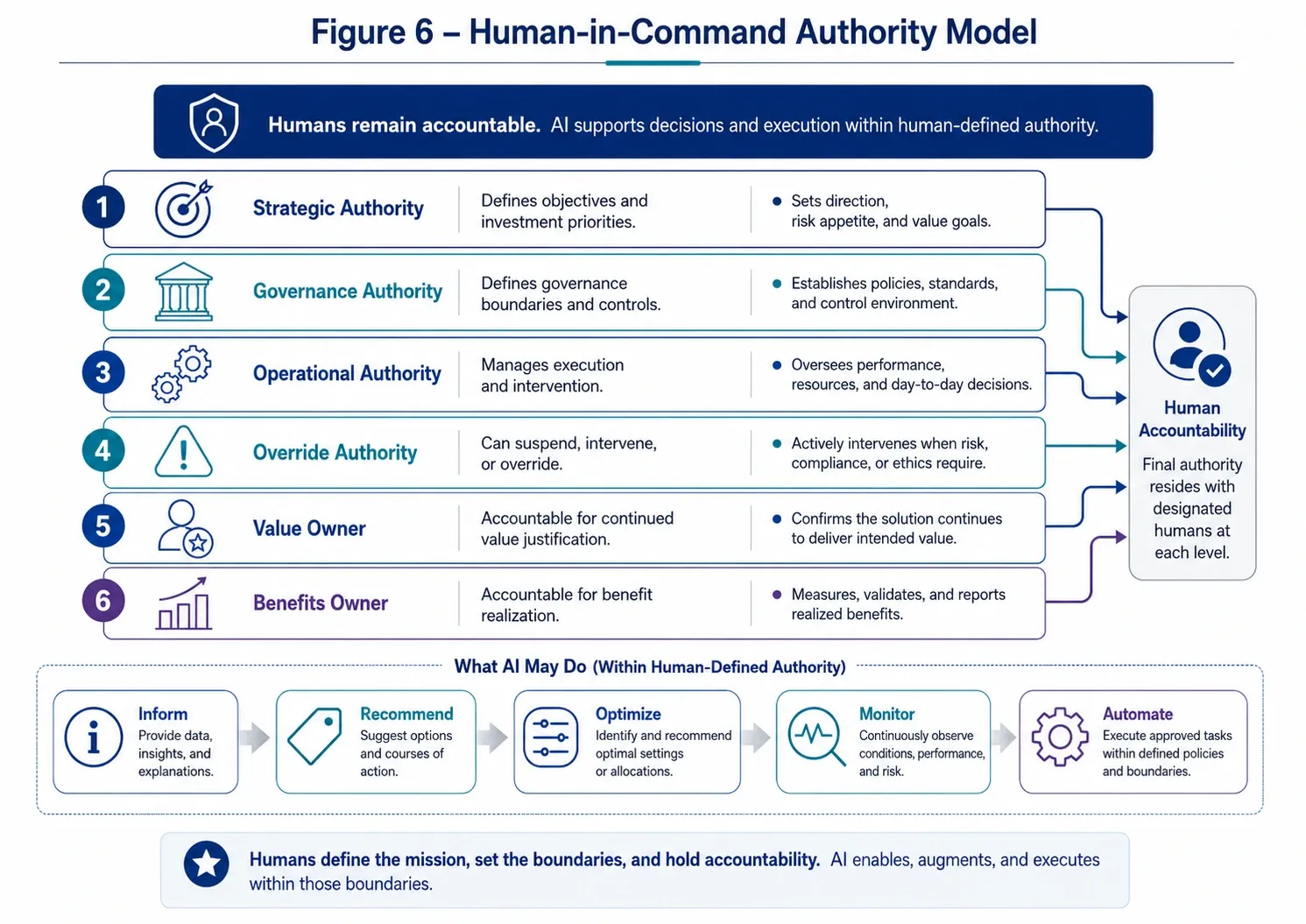
Figure 6 – Human-in-Command Authority Model
9A. Value Owner Governance
9A.1 Purpose
The Value Owner is a distinct governance role.
The role exists because delivery success does not guarantee value realization.
9A.2 Responsibilities
The Value Owner should:
- Validate value assumptions
- Challenge benefit forecasts
- Review benefit drift
- Review net impact
- Recommend adaptation
- Recommend retirement when net impact becomes negative
9A.3 Authority
The Value Owner should have authority to challenge:
- Business cases
- Benefit forecasts
- Portfolio assumptions
- Continuation decisions
The role should not be symbolic.
10. Monitoring and Governance Trigger Definition
10.1 Monitoring Objectives
Monitoring supports:
- Governance awareness
- Value validation
- Risk detection
- Trigger identification
- Continuous adaptation
10.2 Monitoring Domains
Monitoring should cover:
Model Performance
Data Quality
Operational Performance
Benefits Realization
Human Impact
Sustainability
Governance Compliance
Vendor Performance
Strategic Alignment
10.3 Governance Trigger Categories
The framework adopts the canonical eleven-category trigger model.
Financial Triggers
Operational Triggers
Benefit Triggers
Ethical Triggers
Regulatory Triggers
Data Triggers
Vendor Triggers
Human Impact Triggers
Sustainability Triggers
Safety Triggers
Strategic Triggers
10.4 Trigger Severity Levels
Informational
Monitor.
Moderate
Review.
Significant
Escalate.
Critical
Immediate intervention.
10.5 Governance Response Logic
The standard response sequence is:
Signal → Trigger Detection → Classification → Severity Assessment → Governance Response → Corrective Action → Monitoring
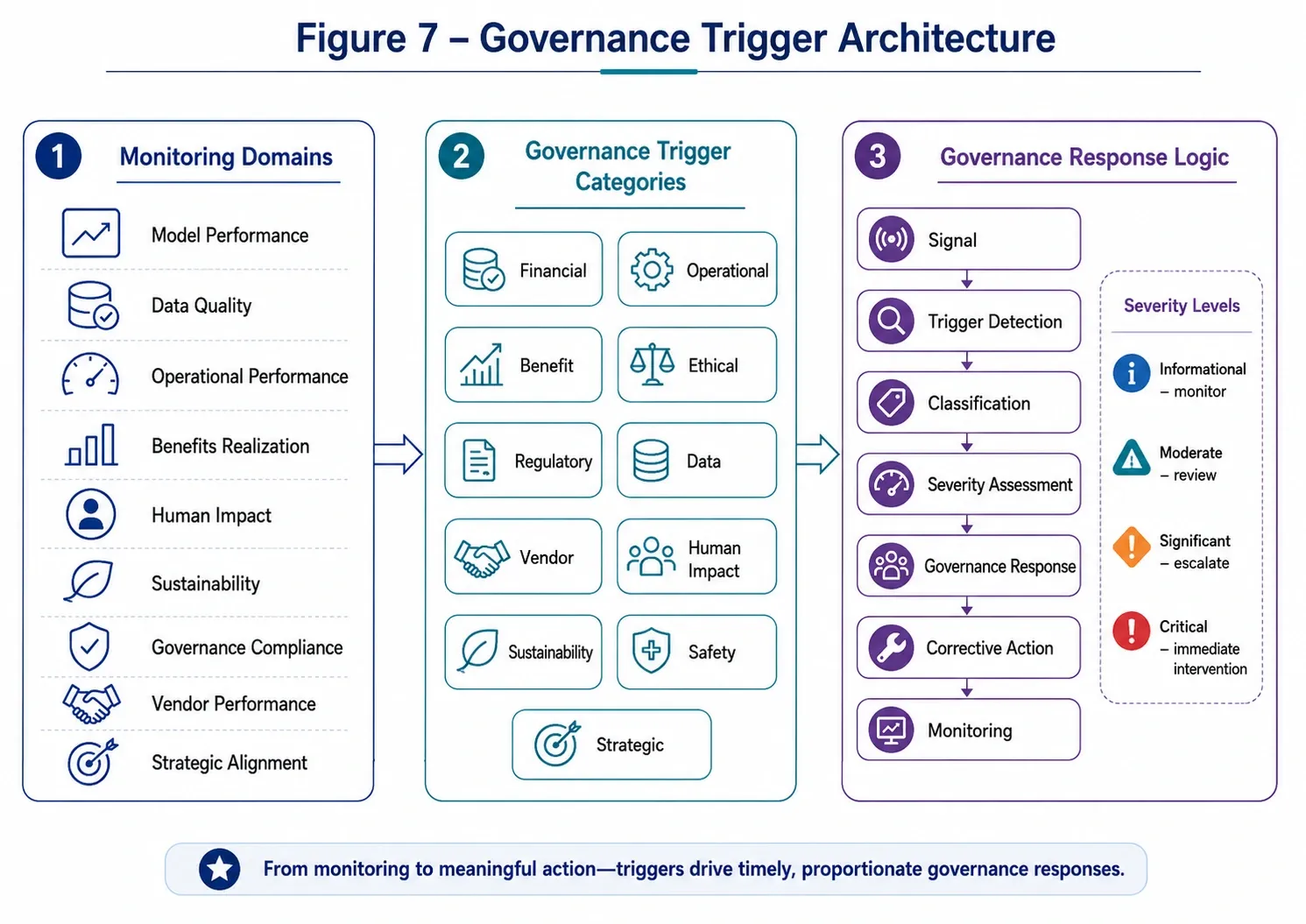
Figure 7 – Governance Trigger Architecture
10C. Benefit Drift Governance
10C.1 Definition
Benefit Drift occurs when expected benefits diverge from realized benefits.
Benefit Drift may occur even when technical performance remains acceptable.
Benefit Drift should be governed with the same rigor as Model Drift.
10C.2 Common Drift Signals
Examples include:
- Declining adoption
- Reduced trust
- Lower usage frequency
- Benefit shortfalls
- Increasing workarounds
- Increasing complaints
10C.3 Governance Actions
Potential responses include:
- Benefits review
- Adoption intervention
- Forecast update
- Governance escalation
- Business case reassessment
Benefit Drift should be monitored continuously.
10D. Governance Intelligence Readiness
10D.1 Purpose
Paper 4 introduces future governance intelligence capabilities.
Paper 3 ensures practical implementations remain compatible with those future capabilities.
10D.2 Readiness Areas
Semantic Readiness
Can ontology entities be identified?
Governance Readiness
Are governance structures defined?
Data Readiness
Is required data available?
Knowledge Graph Readiness
Can relationships be traced?
Copilot Readiness
Is governance knowledge structured?
Agent Readiness
Can monitoring signals be automated?
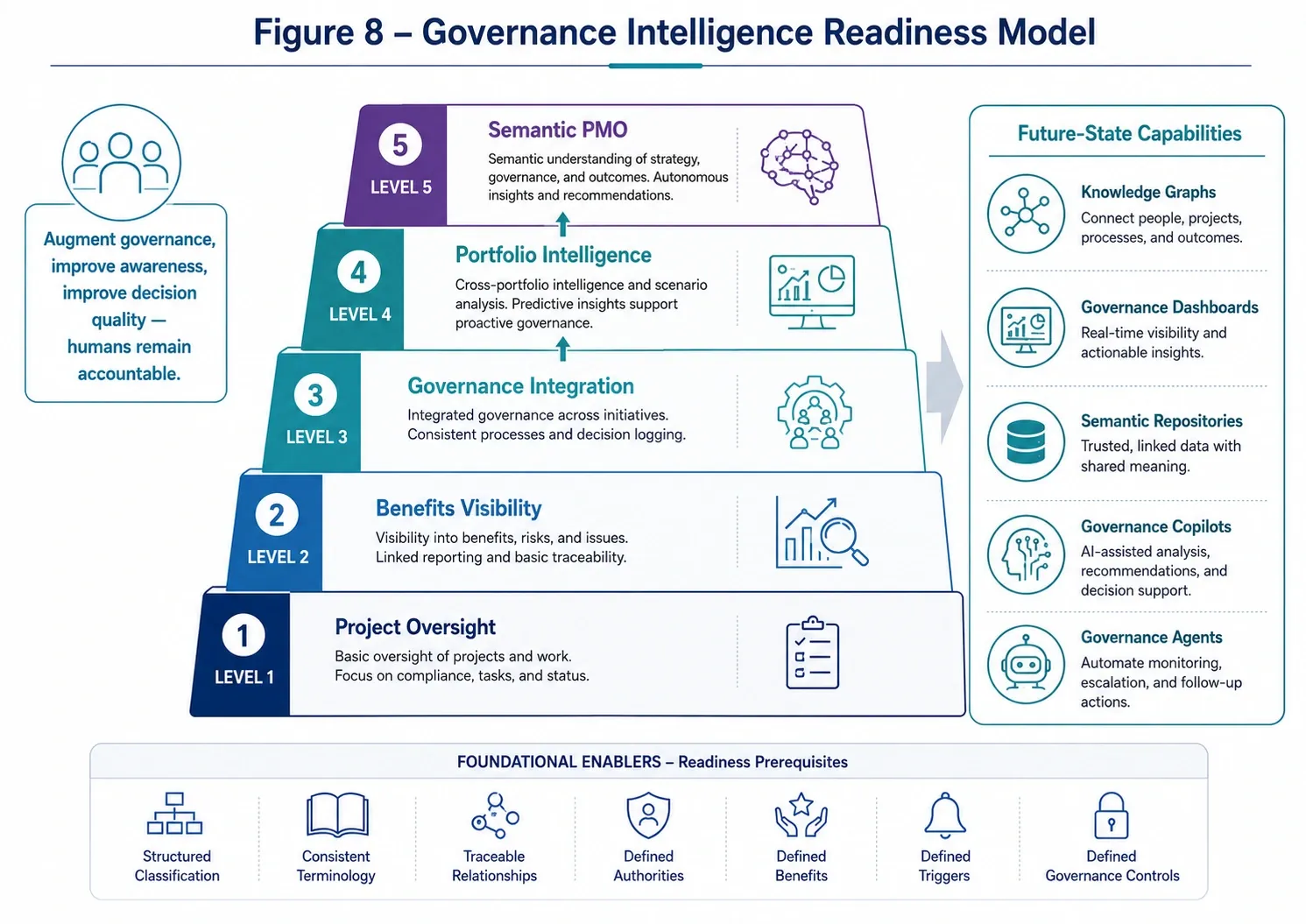
Figure 8 – Governance Intelligence Readiness Model
10D.3 Future Compatibility
Future compatibility supports:
- Ontology-driven governance
- Knowledge graph implementation
- Governance intelligence
- Governance copilots
- Governance agents
- Semantic PMO capabilities
10E. PMI AI and Responsible AI Alignment
10E.1 Responsible AI Objectives
Responsible AI governance seeks to ensure:
- Trustworthiness
- Transparency
- Accountability
- Fairness
- Human oversight
10E.2 Core Dimensions
Transparency
Explainability
Accountability
Fairness
Privacy
Security
Traceability
Sustainability
Human Oversight
Responsible Generative AI Use
10E.3 Governance Reviews
Responsible AI reviews should occur during:
- Business case development
- Design
- Deployment readiness
- Operations
- Major changes
10F. AI Assurance and Validation
10F.1 Purpose
Assurance provides confidence that governance expectations are being met.
10F.2 Assurance Layers
Technical Assurance
Data Assurance
Governance Assurance
Ethical Assurance
Operational Assurance
10F.3 Recommended Assurance Activities
- Model validation
- Independent review
- Explainability validation
- Bias testing
- Adversarial testing
- Red-team exercises
- Auditability assessment
- Human override testing
- Deployment readiness review
10F.4 Assurance Intensity
Assurance should increase when:
- Human impact increases
- Autonomy increases
- Regulatory exposure increases
- Governance complexity increases
Assurance is not a one-time event.
It is a continuous governance capability supporting trust, accountability, and value realization throughout the lifecycle.
11. Illustrative Use Cases
11.1 Purpose of Illustrative Use Cases
The purpose of these use cases is not to prescribe a single governance model.
The purpose is to demonstrate how the framework can be applied consistently across different industries, organizational contexts, governance profiles, AI capability types, and value-delivery environments.
Each use case is structured using the canonical framework:
Strategic Context
- Organizational Objective
- Business Capability
- AI Role in PPPM
Classification
- AI Capability Type
- AI Problem Pattern
- Business Intent
- Governance Profile
Value Delivery
- AI-enabled Value Stream
- Outputs
- Outcomes
- Benefits
- Impacts
- Net Impact
Governance
- Human-in-Command Requirements
- Governance Triggers
- Assurance Requirements
- Benefit Drift Indicators
Future Readiness
- Governance Intelligence Readiness
11.2 AI Customer Service Transformation
Organizational Objective
Improve customer satisfaction, service quality, retention, and operational efficiency.
AI Role in PPPM
- Operating Capability
AI Capability Type
- Generative AI
- Retrieval-Augmented Generation
AI Problem Pattern
- Conversational Interaction
Business Capability
Customer Service Management
AI-enabled Value Stream
Customer Inquiry → AI Interaction → Resolution Support → Service Outcome
Outputs
- Conversational assistant
- Knowledge retrieval platform
- Intelligent routing
Outcomes
- Faster response times
- Improved first-contact resolution
- Increased availability
Benefits
- Reduced support costs
- Increased productivity
- Improved customer satisfaction
Impacts
- Increased customer trust
- Improved competitiveness
Governance Profile
Human-in-the-Loop AI
Human-in-Command Requirements
- Escalation authority
- Override mechanisms
- Response validation
Benefit Drift Indicators
- Reduced usage
- Customer dissatisfaction
- Escalation increases
Governance Trigger Categories
- Benefit
- Operational
- Human Impact
- Vendor
Governance Intelligence Readiness
- High
11.3 AI Fraud Detection and Prevention
Organizational Objective
Protect enterprise value and reduce fraud losses.
AI Role in PPPM
- Operating Capability
AI Capability Type
- Predictive Analytics
AI Problem Pattern
- Anomaly Detection
Business Capability
Fraud Risk Management
Outputs
- Fraud scoring engine
- Alerting system
- Investigation recommendations
Outcomes
- Faster fraud identification
- Reduced fraud losses
Benefits
- Loss avoidance
- Reduced investigation effort
Impacts
- Increased resilience
- Increased stakeholder confidence
Governance Profile
Regulated AI
Human-in-Command Requirements
- Compliance review
- Override authority
- Explainability review
Benefit Drift Indicators
- Rising false positives
- Reduced investigator trust
- Alert fatigue
Governance Trigger Categories
- Regulatory
- Operational
- Benefit
- Data
Governance Intelligence Readiness
Medium
11.4 AI PMO Decision Intelligence
Organizational Objective
Improve portfolio decision quality.
AI Role in PPPM
- PPPM Tool
- Governance Capability
AI Capability Type
- Generative AI
- Predictive Analytics
AI Problem Pattern
- Decision Support
Outputs
- Governance copilot
- Portfolio intelligence dashboard
- Benefits analytics
Outcomes
- Faster governance decisions
- Better prioritization
Benefits
- Improved capital allocation
- Improved governance effectiveness
Impacts
- Improved portfolio performance
- Increased organizational agility
Governance Profile
Human-in-Command AI
Human-in-Command Requirements
Executive validation remains mandatory.
Governance Trigger Categories
- Benefit
- Strategic
- Financial
Governance Intelligence Readiness
Very High
This use case represents an early Semantic PMO candidate.
11.5 Predictive Maintenance Program
Organizational Objective
Improve reliability and asset performance.
AI Role in PPPM
- Operating Capability
AI Capability Type
- Predictive Analytics
AI Problem Pattern
- Prediction
Outputs
- Maintenance forecasts
- Sensor analytics
- Risk alerts
Outcomes
- Reduced downtime
- Better maintenance scheduling
Benefits
- Lower maintenance costs
- Increased availability
Impacts
- Improved operational resilience
Governance Profile
Human-on-the-Loop AI
Benefit Drift Indicators
- Forecast degradation
- Downtime increases
Governance Trigger Categories
- Operational
- Data
- Safety
11.6 Workforce Knowledge Assistant
Organizational Objective
Increase workforce productivity and knowledge accessibility.
AI Role in PPPM
- Operating Capability
- PPPM Tool
AI Capability Type
- Generative AI
AI Problem Pattern
- Conversational Interaction
Outputs
- Knowledge assistant
- Semantic search
- Retrieval platform
Outcomes
- Faster knowledge access
- Reduced onboarding time
Benefits
- Productivity improvement
- Capability enhancement
Impacts
- Organizational learning
- Workforce resilience
Governance Profile
Human-in-the-Loop AI
AI Quality and Reliability Requirements
- Hallucination monitoring
- Source traceability
- Content validation
Human Impact Profile
Knowledge democratization
Benefit Drift Indicators
- Trust decline
- Low usage
- Content quality complaints
11.7 Public Sector Citizen Services
Organizational Objective
Improve citizen service quality and accessibility.
AI Role in PPPM
- Operating Capability
AI Capability Type
- Generative AI
- Workflow Automation
AI Problem Pattern
- Conversational Interaction
- Decision Support
Governance Profile
High-Impact AI
Additional Characteristics
- Citizen-facing
- Public trust dependent
Human Impact Profile
Citizen Impact
Human-in-Command Requirements
- Appeal mechanisms
- Transparency requirements
- Human review
Governance Trigger Categories
- Human Impact
- Ethical
- Regulatory
- Strategic
11.8 Healthcare Clinical Decision Support
Organizational Objective
Improve patient outcomes.
AI Role in PPPM
- Operating Capability
AI Capability Type
- Predictive Analytics
- Decision Support
AI Problem Pattern
- Decision Support
Governance Profile
High-Impact AI
Additional Characteristics
- Regulated Environment
- Safety-Critical Context
Human-in-Command Requirements
- Clinical authority
- Override authority
- Explainability review
AI Quality and Reliability Requirements
- Reliability
- Explainability
- Traceability
- Auditability
Governance Trigger Categories
- Safety
- Regulatory
- Ethical
- Operational
Benefit Drift Indicators
- Clinical disagreement
- Reduced adoption
- Guideline changes
11.9 Sustainability Optimization Initiative
Organizational Objective
Reduce environmental impact and improve sustainability performance.
AI Role in PPPM
- Operating Capability
AI Capability Type
- Optimization Analytics
AI Problem Pattern
- Optimization
Governance Profile
Human-in-the-Loop AI
Additional Characteristics
- Sustainability-Critical
- ESG Reporting Impact
Benefits
- Reduced emissions
- Reduced energy use
- Reduced waste
Impacts
- Improved ESG performance
- Increased sustainability resilience
Governance Trigger Categories
- Sustainability
- Strategic
- Regulatory
12. Cross-Case Governance Patterns
12.1 Purpose
Cross-case analysis reveals governance patterns that consistently influence success or failure.
These patterns become reusable governance knowledge.
Pattern 1: Outputs Do Not Create Value
Across all use cases:
Outputs ≠ Benefits
Benefits only emerge when:
- Adoption occurs
- Outcomes are realized
- Governance remains effective
Pattern 2: Human Adoption Is a Critical Success Factor
Even technically successful systems may fail when:
- Trust is low
- Readiness is poor
- Adoption is weak
Change management therefore becomes a governance concern rather than a deployment concern.
Pattern 3: Benefit Drift Is More Common Than Technical Failure
Many AI initiatives experience:
- Stable technical performance
- Declining organizational value
Benefit Drift should therefore be monitored alongside:
- Model Drift
- Data Drift
- Vendor Drift
- Strategic Drift
Pattern 4: Governance Intensity Must Be Tailored
Not all AI requires identical governance.
Governance intensity should increase with:
- Human impact
- Regulatory exposure
- Autonomy
- Irreversibility of harm
- Sustainability consequences
Pattern 5: Accountability Remains Human
Across every use case:
AI may support decisions.
Humans remain accountable.
This principle remains invariant across all governance profiles.
13. Cross-Case Governance Pattern Matrix
13.1 Comparative Governance Matrix
Table 1 - Comparative Governance Matrix
| Dimension | Customer Service | Fraud Detection | PMO Intelligence | Healthcare |
|---|---|---|---|---|
| AI Role | Operating Capability | Operating Capability | Governance Capability | Operating Capability |
| Governance Profile | Human-in-the-Loop | Regulated AI | Human-in-Command | High-Impact AI |
| Human Impact | Moderate | Moderate | Moderate | High |
| Regulatory Exposure | Low | High | Medium | Very High |
| Adoption Dependency | High | Medium | Medium | High |
| Benefit Drift Risk | Medium | Medium | High | Medium |
| Assurance Intensity | Moderate | High | High | Very High |
| Governance Intelligence Readiness | High | Medium | Very High | Medium |
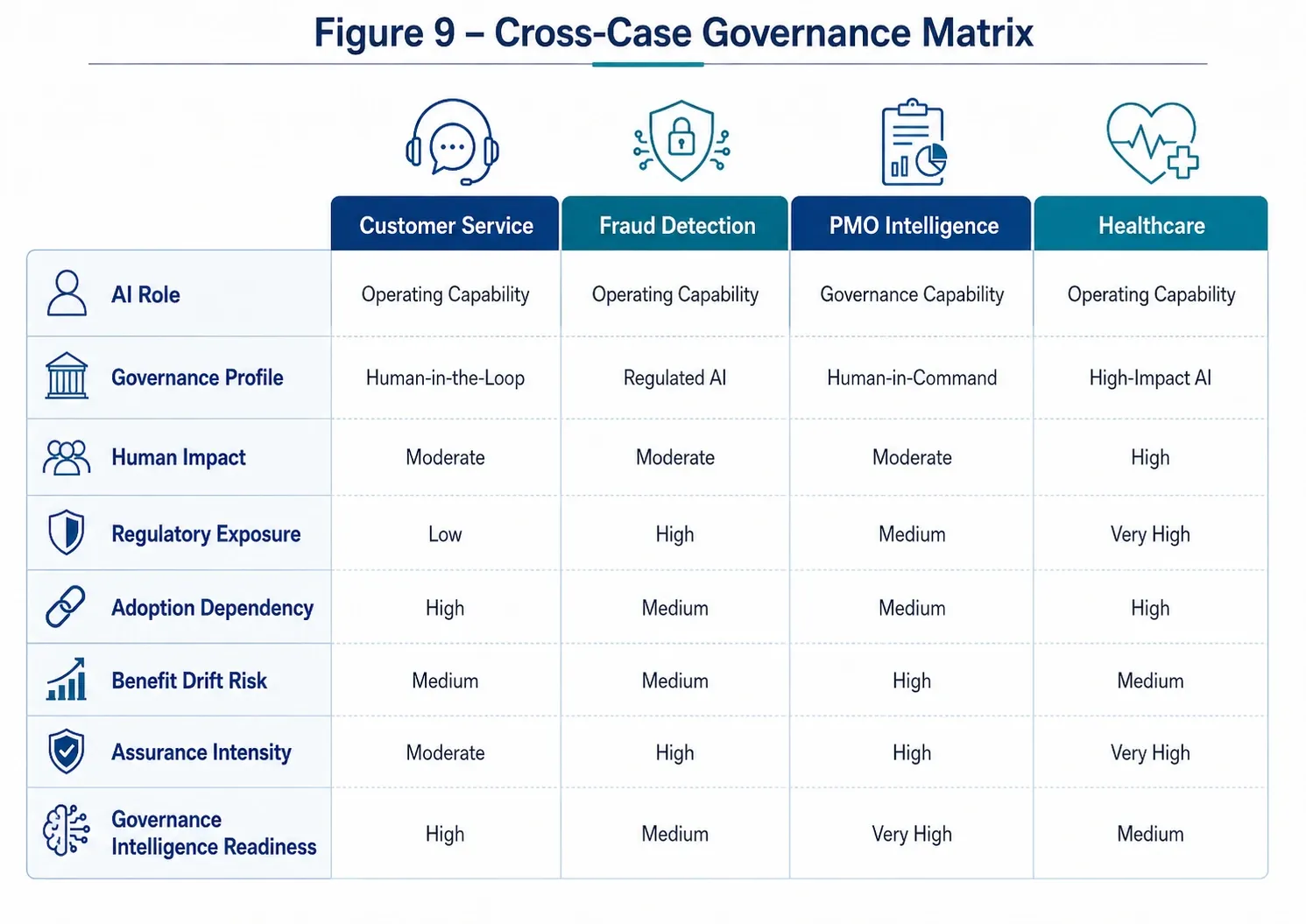
Figure 9 – Cross-Case Governance Matrix
13.2 Portfolio Governance Use
The matrix supports:
- Portfolio prioritization
- Governance resource allocation
- Comparative assessment
- Escalation planning
- Assurance planning
The matrix also provides a future input to Semantic PMO intelligence models.
14. Practical Implementation Roadmap
14.1 Implementation Philosophy
Organizations should implement the framework progressively.
Attempting enterprise-wide implementation immediately often creates unnecessary complexity and governance burden.
The recommended implementation pathway consists of five phases.
Phase 1 – Foundation
Objectives
- Establish governance sponsorship
- Define governance principles
- Define taxonomy usage
Deliverables
- Governance charter
- Initial classification catalog
- Governance board structure
Phase 2 – Pilot Application
Objectives
Apply the framework to selected initiatives.
Deliverables
- Governance profiles
- Use case assessments
- Benefits maps
- Trigger registries
Phase 3 – Portfolio Integration
Objectives
Expand governance across portfolios.
Deliverables
- Portfolio dashboards
- Governance reviews
- Benefits tracking
Phase 4 – Enterprise Adoption
Objectives
Institutionalize governance practices.
Deliverables
- Standardized business cases
- Governance operating rhythm
- Assurance capability
Phase 5 – Governance Intelligence Readiness
Objectives
Prepare future semantic governance capabilities.
Deliverables
- Ontology adoption
- Structured metadata
- Knowledge graph readiness
- Governance intelligence readiness assessments
14A. Lifecycle Governance Application Matrix
Purpose
Lifecycle governance ensures that value, accountability, governance, and monitoring remain aligned throughout the initiative lifecycle.
Table 2 - Lifecycle Governance Application Matrix
| Lifecycle Stage | Governance Focus |
|---|---|
| Business Justification | Strategy, value proposition, expected benefits |
| Initiative Design | Governance profile, Human-in-Command design |
| Data Preparation | Data quality, lineage, ownership |
| AI Development | Validation, explainability, quality |
| Deployment | Readiness, approval, monitoring |
| Operations | Benefits realization, drift monitoring |
| Optimization | Adaptation, retraining, governance review |
| Retirement | Net impact review, lessons learned |
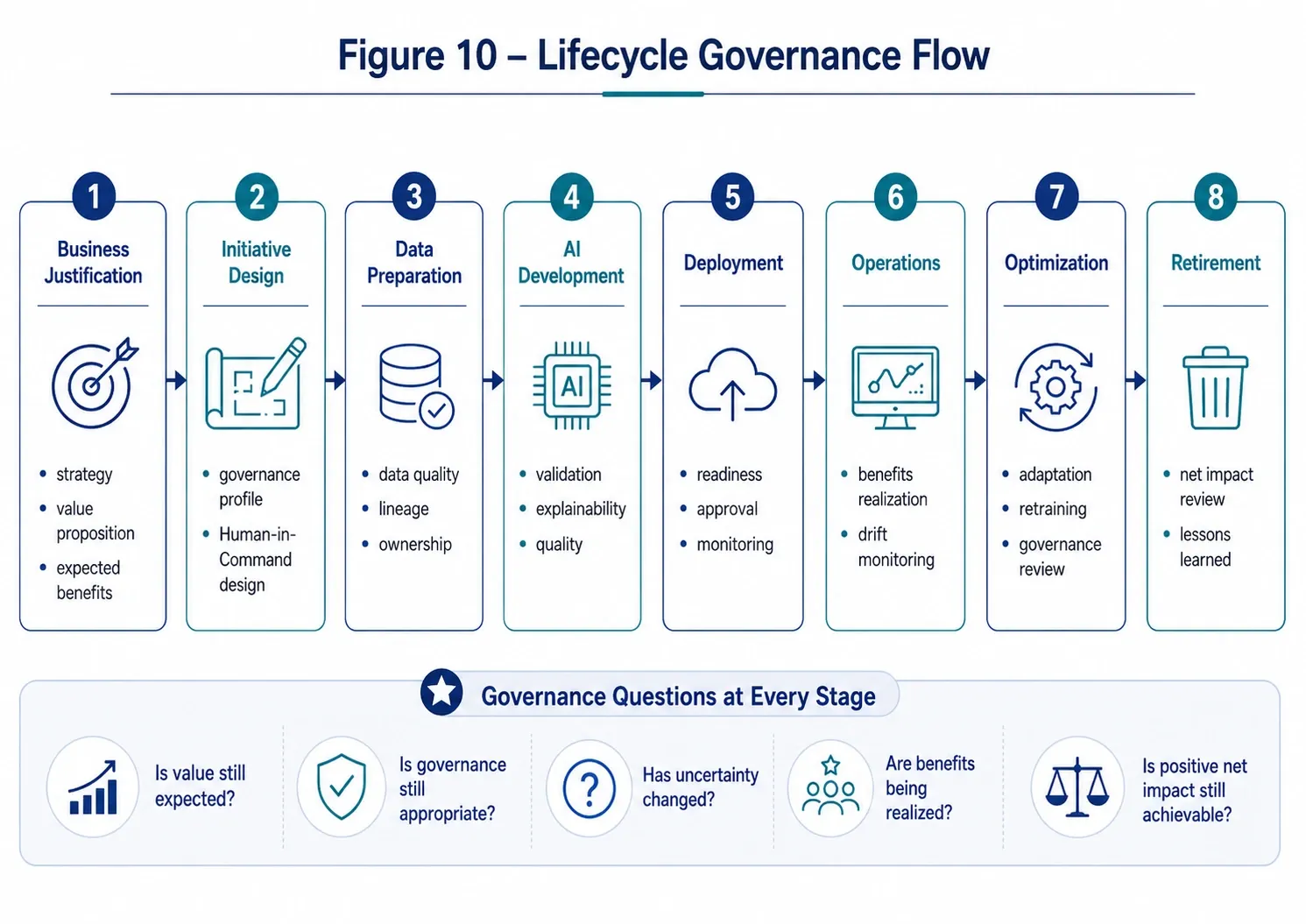
Figure 10 – Lifecycle Governance Flow
Lifecycle Governance Questions
At every stage:
- Is value still expected?
- Is governance still appropriate?
- Has uncertainty changed?
- Are benefits being realized?
- Is positive net impact still achievable?
Governance should evolve with the initiative lifecycle rather than remain static.
15. Practitioner Review Checklist
Strategic Alignment
□ Is the initiative aligned with organizational objectives?
□ Is the value proposition clear?
Classification Completeness
□ Have all fourteen taxonomy dimensions been classified?
□ Is AI Role in PPPM defined?
□ Is AI Problem Pattern defined?
Governance Profile
□ Has governance intensity been assigned?
□ Are escalation requirements defined?
□ Are assurance requirements defined?
Human-in-Command
□ Are authorities assigned?
□ Is evidence retained?
□ Is override authority defined?
□ Is a Value Owner assigned?
□ Is a Benefits Owner assigned?
Benefits Realization
□ Are benefits measurable?
□ Are indicators defined?
□ Are benefit owners assigned?
Benefit Drift
□ Have drift indicators been defined?
□ Have review thresholds been defined?
□ Have escalation conditions been defined?
Monitoring
□ Are governance triggers defined?
□ Are trigger owners assigned?
□ Are monitoring indicators defined?
□ Are dashboards available?
Responsible AI
□ Have transparency requirements been assessed?
□ Have fairness considerations been assessed?
□ Have privacy obligations been assessed?
□ Have accountability requirements been defined?
Governance Intelligence Readiness
□ Are ontology entities identifiable?
□ Are governance relationships traceable?
□ Is future knowledge graph compatibility maintained?
□ Is governance intelligence readiness documented?
16. Practical Guidance for PMOs
16.1 The Evolving Role of the PMO
Traditional PMOs have historically focused on project controls, schedules, reporting, resource allocation, governance compliance, and portfolio visibility.
AI-enabled initiatives require a broader PMO mandate.
The PMO should evolve from a project oversight function into a value delivery and governance orchestration capability.
Within this framework, the PMO becomes a steward of:
- Portfolio value
- Governance consistency
- Benefits realization
- Human accountability
- Governance intelligence readiness
- Responsible AI oversight
- Portfolio-level net impact
The PMO should act as the connective tissue between strategy, governance, delivery, benefits, and accountability.
16.2 PMO Responsibilities
Governance Standardization
The PMO should establish:
- Common taxonomy usage
- Governance profile consistency
- Classification standards
- Review procedures
Portfolio Intelligence
The PMO should maintain visibility across:
- Active AI initiatives
- Governance profiles
- Benefit realization performance
- Trigger activity
- Drift indicators
- Escalations
- Portfolio net impact
Benefits Governance
The PMO should support:
- Benefits tracking
- Benefit drift reviews
- Value Owner coordination
- Benefits realization reporting
Governance Intelligence Readiness
PMOs should prepare future compatibility with:
- Governance dashboards
- Semantic repositories
- Governance copilots
- Knowledge graph capabilities
16.3 PMO Maturity Progression
Level 1 – Project Oversight
Focus on schedules, budgets and reporting.
Level 2 – Benefits Visibility
Focus on outcomes and benefits.
Level 3 – Governance Integration
Focus on governance profiles, accountability and triggers.
Level 4 – Portfolio Intelligence
Focus on portfolio-level value optimization.
Level 5 – Semantic PMO
Focus on governance intelligence and adaptive value delivery.
17. Practical Guidance for Governance Boards
17.1 Governance Board Purpose
Governance boards exist to protect and enhance value delivery.
Their role is not simply approval.
Their role is stewardship.
Governance boards should continuously evaluate:
- Value realization
- Governance adequacy
- Human accountability
- Emerging risks
- Net impact
17.2 Governance Board Questions
Strategic Alignment
Does the initiative support organizational objectives?
Value Delivery
What value is expected?
What evidence supports those assumptions?
Governance Profile
What governance profile applies?
Is governance intensity appropriate?
Human Accountability
Who remains accountable?
Who can override?
Uncertainty
What assumptions remain uncertain?
How will uncertainty be monitored?
Benefit Drift
What evidence suggests value remains achievable?
Net Impact
Should the initiative continue, adapt, pause, or retire?
17.3 Governance Decisions
Governance boards may:
Approve
Proceed.
Approve with Conditions
Proceed with additional controls.
Reassess
Require additional evidence.
Pause
Temporarily suspend progression.
Adapt
Require redesign or corrective action.
Retire
Terminate the initiative.
Governance decisions should always be:
- Evidence-based
- Traceable
- Accountable
18. Practical Guidance for Business Case Authors
18.1 Business Cases as Governance Artifacts
Business cases should not be viewed solely as investment justification documents.
Within this framework, business cases are governance artifacts.
They establish:
- Value assumptions
- Governance obligations
- Accountability structures
- Monitoring requirements
- Benefits realization expectations
18.2 Required Business Case Components
Strategic Objective
Why does the initiative exist?
Organizational Capability
What capability is being enhanced?
AI Role in PPPM
How is AI being used?
Value Delivery Logic
How will outputs generate outcomes?
How will outcomes generate benefits?
Governance Profile
What governance intensity applies?
Human-in-Command Structure
Who remains accountable?
Uncertainty Assessment
What assumptions remain uncertain?
Benefit Realization Plan
How will value be measured?
Net Impact Assessment
Why is the initiative expected to create value?
18.3 Scenario-Based Business Cases
Business cases should evaluate:
Pessimistic Scenario
Base Scenario
Optimistic Scenario
Governance decisions should not rely upon a single forecast.
18.4 Continuous Impact Justification
The framework extends traditional business justification into Continuous Impact Justification.
The question is not:
“Was the initiative justified originally?”
The question becomes:
“Does the initiative continue to create positive net impact?”
19. Practical Guidance for Value Owners and Benefits Owners
19.1 Distinguishing the Roles
Benefits Owner
Accountable for:
- Benefit definition
- Measurement
- Reporting
- Benefit realization
Value Owner
Accountable for:
- Overall value justification
- Net impact review
- Challenge of assumptions
- Continue/adapt/pause/retire recommendations
The roles may be held by the same individual but should remain conceptually distinct.
19.2 Value Owner Responsibilities
The Value Owner should periodically assess:
Benefit Realization
Are benefits occurring?
Benefit Drift
Are benefits deteriorating?
Net Impact
Does value remain positive?
Strategic Relevance
Does the initiative still matter?
Sustainability
Are broader consequences acceptable?
19.3 Benefits Governance Reviews
Benefits reviews should assess:
- Planned benefits
- Actual benefits
- Benefit confidence
- Benefit drift
- Corrective actions
Benefits governance should continue after deployment.
19.4 Value-Based Decision Logic
Value Owners should be empowered to recommend:
- Continue
- Adapt
- Pause
- Retire
based on evidence.
20. Practical Guidance for AI Delivery Teams
20.1 Delivery Teams as Governance Participants
Governance is not separate from delivery.
Delivery teams play a critical role in governance.
They should support:
- Transparency
- Explainability
- Traceability
- Monitoring
- Validation
- Human oversight
20.2 Governance-by-Design
Governance should be embedded throughout delivery.
Examples include:
Explainability by Design
Auditability by Design
Privacy by Design
Security by Design
Human Oversight by Design
Sustainability by Design
20.3 Required Delivery Traceability
Delivery teams should maintain traceability across:
Organizational Objective → Business Capability → AI-enabled Value Stream → Output → Outcome → Benefit → Impact → Net Impact
This traceability supports governance reviews and future governance intelligence capabilities.
20.4 Operational Readiness
Before deployment, teams should demonstrate:
- Data readiness
- Model readiness
- Governance readiness
- Human readiness
- Monitoring readiness
Deployment should not occur solely because technical development is complete.
21. Future Governance Intelligence Compatibility
21.1 Purpose
Paper 4 describes the future evolution of the framework toward:
- Knowledge Graphs
- Governance Intelligence
- Governance Copilots
- Governance Agents
- Semantic PMO Capabilities
Paper 3 ensures practical implementations remain compatible with that future state.
21.2 Governance Intelligence Readiness Principles
Organizations should structure governance information so that it can eventually become semantically connected.
Examples include:
Structured Classification
Consistent Terminology
Traceable Relationships
Defined Authorities
Defined Benefits
Defined Triggers
Defined Governance Controls
These structures become the building blocks of future governance intelligence.
21.3 Human-Centered Governance Intelligence
The framework does not advocate autonomous governance.
Future governance intelligence should:
- Augment governance
- Improve awareness
- Improve decision quality
Humans remain accountable.
21.4 Future Semantic PMO Compatibility
The implementation structures defined in this guide are intentionally designed to support eventual Semantic PMO capabilities.
Organizations adopting the framework today should avoid implementation approaches that prevent future semantic integration.
22. Summary
The AI Governance and Value Delivery Practical Application Guide provides the operational implementation layer of the framework series.
Paper 1 established:
- Ontology
- Taxonomy
- Semantic relationships
- Value delivery logic
- Human-in-Command governance
Paper 2 established:
- Governance triggers
- Escalation pathways
- Benefit drift management
- Uncertainty governance
- Lifecycle governance
- Continuous value validation
Paper 3 translates those concepts into practical implementation methods.
The guide provides organizations with a repeatable approach for:
- Classifying AI-enabled initiatives
- Assigning governance profiles
- Defining Human-in-Command structures
- Assessing uncertainty
- Monitoring value realization
- Managing governance triggers
- Managing benefit drift
- Defining assurance requirements
- Supporting responsible AI adoption
- Preparing for governance intelligence evolution
The framework remains grounded in four foundational propositions:
AI initiatives are value delivery systems.
Governance should be adaptive and continuous.
Human accountability remains essential.
Net impact determines whether value is created.
The central message of the framework remains unchanged:
AI outputs do not create value by themselves. Outputs generate outcomes. Outcomes realize benefits. Benefits contribute to impacts. Net impact determines whether value is created. Human accountability remains essential throughout.
Framework Integration Statement
The Practical Application Guide implements the ontology and taxonomy defined in Paper 1, applies the governance operating model defined in Paper 2, supports governance intelligence evolution described in Paper 4, and utilizes the reference structures, catalogs, templates, and implementation assets defined in Paper 5.
Together, the five-paper framework provides a comprehensive governance approach for AI-enabled value delivery under conditions of uncertainty, complexity, and continuous change.
References
- PMBOK® Guide – Eighth Edition
- PMI AI Standard
- NIST AI RMF
- ISO/IEC 42001
- ISO/IEC 23894
- OECD AI Principles
- Papers 1–5 of the Framework Series
Appendix A – AI Initiative Classification Worksheet
Strategic Context
- Initiative Name
- Sponsor
- Organizational Objective
- Business Capability
Classification
1.AI Role in PPPM
2.AI Capability Type
3.AI Problem Pattern
4.Business Intent
5.Value Profile
6.Governance Profile
7.Financial Profile
8.Data Dependency Profile
9.AI Quality and Reliability Profile
10.Human Impact Profile
11.Change Management and Organizational Readiness Profile
12.Adoption Profile
13.Vendor Dependency Profile
14.Sustainability Profile
Governance Outputs
- Governance Profile
- Human-in-Command Requirements
- Trigger Categories
- Assurance Requirements
Appendix B – Governance Profile Assessment Template
Assessment Areas:
- Human Impact
- Regulatory Exposure
- Autonomy
- Data Sensitivity
- Stakeholder Sensitivity
- Uncertainty
- Reversibility of Harm
- Sustainability Consequences
Scoring:
- Low
- Medium
- High
- Extreme
Outputs:
- Governance Profile
- Monitoring Intensity
- Assurance Requirements
- Escalation Requirements
Appendix C – AI Business Case Template
Required Sections:
1.Executive Summary
2.Strategic Objective
3.Problem Statement
4.Organizational Capability
5.AI Role in PPPM
6.Proposed Solution
7.Value Delivery Logic
8.Expected Outputs
9.Expected Outcomes
10.Expected Benefits
11.Expected Impacts
12.Net Impact Assessment
13.Governance Profile
14.Human-in-Command Structure
15.Risks and Uncertainty
16.Responsible AI Assessment
17.Benefits Realization Plan
18.Monitoring Plan
19.Governance Triggers
20.Recommendation
- Business case template
Appendix D – Lifecycle Governance Checklist
Business Justification
□ Strategic alignment confirmed
□ Expected benefits defined
□ Governance profile assigned
Design
□ Human-in-Command structure defined
□ Governance controls identified
□ Assurance requirements defined
Development
□ Data readiness confirmed
□ Validation completed
□ Responsible AI assessment completed
Deployment
□ Governance approval completed
□ user readiness/adoption readiness checked
□ Monitoring established
□ Escalation paths active
Operations
□ Benefits monitored
□ Drift monitored
□ Governance reviews performed
Retirement
□ Net impact assessed
□ Lessons learned captured
□ Governance closure approved