Executive Summary
Artificial Intelligence is increasingly embedded in organizational products, services, operations, decision processes, knowledge systems, governance practices and transformation initiatives. As investment in AI-enabled initiatives grows, organizations face a persistent challenge: many initiatives achieve technical delivery while failing to realize expected organizational value.
The problem is often not the AI model alone. It is the absence of a shared conceptual framework connecting strategy, governance, capabilities, value streams, outputs, outcomes, benefits, impacts, risks, human accountability, adoption, quality, reliability and organizational objectives.
This paper proposes the AI Governance and Value Delivery Ontology and Taxonomy Framework as a common conceptual foundation for understanding, classifying, governing and evaluating AI-enabled initiatives. The framework treats AI initiatives as adaptive value delivery systems, not merely as technology deployments.
The resource is informed by AIPM Ambassador feedback, cross-resource integration, the PMBOK® Guide – Eighth Edition value orientation, and PMI’s AI Standard for portfolio, program and project management. It complements rather than duplicates PMI guidance while preserving the distinctive AIPM contribution: ontology, taxonomy, semantic relationships, value delivery logic, Human-in-Command governance, and a pathway toward governance intelligence.
The framework helps organizations establish a shared language, distinguish outputs from outcomes, benefits, impacts and value, connect AI initiatives to organizational objectives, classify initiatives according to governance-relevant dimensions, preserve human accountability, and provide a foundation for governance operating models, implementation guides and future semantic knowledge graph capabilities.
This paper is the conceptual core of a five-document set. Companion papers address the governance operating model, practical application guidance, future semantic governance roadmap, and detailed reference appendices.
1. Introduction
1.1 Context
AI has moved beyond experimentation. It now influences how organizations make decisions, serve customers, manage knowledge, allocate resources, detect risks, automate workflows, optimize operations and deliver strategic outcomes.
Organizations are no longer implementing isolated AI tools. They are pursuing AI-enabled transformations involving customer experience, operational efficiency, decision intelligence, governance improvement, portfolio optimization, workforce augmentation, sustainability, risk management and innovation.
However, many AI-enabled initiatives still struggle to move from technical success to organizational value realization. Systems may be deployed, models may function, dashboards may operate and automation may be enabled, while expected benefits fail to materialize.
The challenge is therefore not only technological. It is also conceptual, organizational, governance-related, adoption-related and value-related.
- What is the AI initiative?
- What organizational objective does it serve?
- What capability does it strengthen?
- What value stream does it enable?
- What outputs are produced?
- What outcomes should change?
- What benefits should be realized?
- What impacts should occur?
- What quality, reliability and legal considerations apply?
- Who remains accountable?
- What governance logic applies?
Without a common ontology and taxonomy, organizations risk fragmented governance, inconsistent terminology, weak business cases, unclear accountability, duplicated initiatives and poor value realization.
1.2 Why an Ontology Is Needed
A glossary defines terms. A taxonomy classifies entities. An ontology defines concepts, entities, relationships, dependencies, constraints and meaning.
For AI-enabled initiatives, an ontology is needed because value is not produced by AI technology alone. Value emerges through relationships among strategy, capabilities, people, processes, data, governance, adoption, outcomes, benefits and impacts.
The ontology therefore provides the semantic architecture required to describe how AI-enabled initiatives create change and how that change may contribute to organizational value.
The taxonomy complements the ontology by classifying AI-enabled initiatives across governance-relevant dimensions. It helps answer not only what type of AI initiative this is, but also what governance implications follow.
2. Purpose and Scope
2.1 Purpose of the Framework
The purpose of the AI Governance and Value Delivery Ontology and Taxonomy Framework is to establish a common semantic and governance-aware foundation for AI-enabled initiatives.
The framework supports business case development, benefits realization, governance, portfolio decision-making, lifecycle monitoring and future knowledge management.
| Purpose Area | How the Framework Supports It |
|---|---|
| Business Case Development | Provides a structure for defining the value proposition, costs, benefits, risks, assumptions, expected outcomes, uncertainty and governance implications of AI-enabled initiatives. |
| Benefits Realization | Connects organizational objectives, outputs, outcomes, benefits, indicators, impacts and net impact logic. |
| Governance | Identifies governance obligations, human accountability structures, decision rights, oversight requirements and escalation logic. |
| Portfolio Decision-Making | Supports prioritization, comparison, investment decisions and resource allocation across multiple AI-enabled initiatives. |
| Lifecycle Monitoring | Establishes the conceptual basis for monitoring model drift, benefit drift, adoption risk, uncertainty, quality, reliability, cost behavior and changing business conditions. |
| Knowledge Management | Provides a foundation for future knowledge graphs, governance intelligence systems, PMO copilots, semantic search and AI-assisted governance support. |
2.2 Intended Audience
This paper is intended for executives, PMOs, portfolio managers, program and project managers, AI governance boards, enterprise architects, data and AI leaders, benefits owners, risk and compliance teams, and researchers interested in AI governance and value delivery.
The framework is intentionally cross-disciplinary and is designed to bridge strategic, operational, financial, technical, human, legal and governance perspectives.
3. Review and Standards Alignment
3.1 Ambassador Review Input
The framework incorporates the main Ambassador review themes: clearer structural sequencing, stronger change management and organizational readiness, improved evidence requirements for Human-in-Command governance, and stronger consistency across the related AIPM Toolkit resources.
The most important structural adjustment is that value delivery logic is now introduced before the detailed ontology. This reflects the reviewer recommendation that readers should first understand how AI initiatives are expected to create value before examining the semantic architecture that models those relationships.
Change management and organizational readiness are now treated as first-class taxonomy and governance concepts, not merely as corrective responses after adoption problems emerge.
Human-in-Command governance has also been strengthened. The principle now requires evidence: named authorities, decision logs, approval records, review evidence, escalation trails, override logs and accountability confirmation.
3.2 Alignment with PMI’s AI Standard
PMI’s AI Standard for portfolio, program and project management provides an external professional reference for responsible and effective AI adoption. It emphasizes AI principles, AI performance domains, lifecycle tailoring, AI as both a tool and a deliverable, stakeholder expectations, quality and reliability, strategic execution, risk and uncertainty, and ethical and legal considerations.
This AIPM framework is aligned with that professional direction while remaining distinct. PMI’s standard provides principle and performance-domain guidance. The AIPM framework provides ontology, taxonomy, semantic relationships, value delivery logic, Human-in-Command governance, benefit-drift logic and a future semantic governance architecture.
The alignment is thematic and interpretive. This paper does not reproduce PMI proprietary content or figures.
| PMI AI Standard Theme | AIPM Framework Alignment |
|---|---|
| Strategic value | Organizational objectives, value delivery logic, net impact and portfolio-level value alignment. |
| Risk | Risk, uncertainty, drift, governance triggers and lifecycle monitoring. |
| Governance and compliance | Governance controls, decision rights, legal and regulatory considerations, escalation and accountability. |
| People and culture | Human-in-Command governance, change readiness, adoption intelligence and stakeholder expectations. |
| Ethics and professional responsibility | Ethical governance, fairness, transparency, accountability and human oversight. |
| Stakeholder engagement | Stakeholder ontology, adoption, expectations, communications and human impact profile. |
| Optimization and innovation | Continuous value delivery, adaptive governance and future governance intelligence roadmap. |
| Data quality | Data dependency profile, quality and reliability profile, data governance and monitoring. |
3.3 Alignment with PMI AI Performance Domains
| PMI AI Performance Domain | AIPM Framework Contribution |
|---|---|
| Managing stakeholder expectations about AI | Stakeholder ontology, adoption intelligence, change readiness profile, Human-in-Command evidence and stakeholder impact logic. |
| Defining the scope for AI | AI initiative definition, AI role in PPPM, AI problem pattern, value stream, outputs, outcomes and taxonomy classification. |
| Designing AI architecture with quality and reliability | AI quality and reliability profile, data dependency profile, governance controls, traceability, explainability and lifecycle monitoring. |
| Executing strategic AI goals | Organizational objectives, portfolio governance, value delivery logic, business intent and strategic value profile. |
| Managing AI risks and uncertainties | Uncertainty ontology, risk ontology, governance triggers, scenario-based value assessment and drift management. |
4. Why AI-Enabled Initiatives Require a Different Governance Perspective
Traditional governance approaches often assume relatively stable requirements, deterministic outcomes, predictable delivery paths and stable operating environments. AI-enabled initiatives challenge these assumptions.
They frequently involve probabilistic outputs, adaptive behavior, dependence on data quality and availability, model drift, benefit drift, adoption uncertainty, regulatory uncertainty, ethical risk, vendor dependency, quality and reliability concerns, and changing stakeholder expectations.
AI may also appear in different roles. It may be used as a tool to support project, program, portfolio or PMO work. It may be the deliverable of a project. It may become embedded in an operating value stream. It may also support governance through decision-support tools, copilots or future agents.
This means an AI initiative cannot be governed only as a technology project. It must be understood as a socio-technical system operating within an organizational value delivery environment.
| AI Role in PPPM | Description | Governance Implication |
|---|---|---|
| AI as a PPPM Tool | AI supports project, program, portfolio or PMO activities such as analysis, reporting, scheduling, risk detection or decision support. | Requires tool governance, data protection, transparency, user training and human validation. |
| AI as a Project Deliverable | The project delivers an AI system, model, assistant, workflow, platform or service. | Requires lifecycle governance, quality/reliability design, risk management, adoption planning and benefits tracking. |
| AI as an Operating Capability | AI becomes embedded in business operations or value streams. | Requires operational monitoring, benefit drift review, ownership and change management. |
| AI as a Governance Capability | AI supports governance intelligence, copilots, agents, monitoring or decision workflows. | Requires strong Human-in-Command controls, auditability, evidence, guardrails and override authority. |
5. Foundational Principles
The updated framework is built on eleven foundational principles. The first eight preserve the original framework logic. The final three incorporate Ambassador feedback and PMI AI Standard alignment on stakeholder expectations, quality, reliability, evidence and organizational readiness.
Principle 1: AI Initiatives Are Value Delivery Systems
AI initiatives should be treated as adaptive value delivery systems rather than isolated technology deployments. The purpose of AI is not model deployment. The purpose of AI is value creation.
Principle 2: Governance Must Be Continuous
Governance should extend across the lifecycle, from business justification through design, delivery, adoption, operation, monitoring, adaptation and retirement.
Principle 3: Human-in-Command Governance
Humans remain accountable for strategic intent, governance decisions, ethical boundaries, escalation authority, investment decisions, and organizational outcomes. AI may augment human decision-making, but it does not replace human accountability.
Principle 4: Benefits Must Be Measurable
Benefits should be connected to outcomes, indicators, metrics, proxy measures and financial value where appropriate. Intangible does not mean immeasurable.
Principle 5: Uncertainty Must Be Explicit
Uncertainty should be treated as a first-class governance concept. Organizations should evaluate benefit confidence, adoption uncertainty, forecast reliability, ROI uncertainty and drift probability.
Principle 6: Adoption Creates Value
Value is not realized when a model is deployed. Value is realized when people adopt, use, trust and integrate AI-enabled capabilities into work.
Principle 7: Benefits Require Continuous Validation
Benefits assumptions should be periodically reviewed and validated throughout the lifecycle. Organizations should actively monitor benefit drift and changing business conditions.
Principle 8: Sustainability and Societal Impact Matter
AI initiatives should consider workforce impacts, sustainability implications, societal consequences, ethical effects and long-term organizational resilience.
Principle 9: Change Management and Organizational Readiness Are Governance Concerns
Change management is not merely a corrective action after adoption fails. It is a lifecycle governance concern that should be planned before implementation and monitored throughout adoption, that includes assessing stakeholder readiness, identifying adoption barriers, defining training requirements, and tracking adoption as a benefits realization indicator.
Principle 10: AI Quality and Reliability Must Be Designed In
AI quality and reliability should be considered from the outset, including data quality, model quality, robustness, explainability, traceability, security, privacy, validation, monitoring and maintainability.
Principle 11: Accountability Requires Evidence
Human-in-Command governance must be evidenced through named authorities, decision records, approval trails, review evidence, escalation logs, override records and accountability confirmation.
6. Value Delivery Logic
6.1 From Delivery to Value
The framework distinguishes between outputs, outcomes, benefits, impacts and value. This distinction is central.
AI systems do not create value merely by producing outputs. Instead, outputs create the potential for outcomes. Outcomes may realize benefits. Benefits may contribute to broader impacts. Value is determined only after benefits, costs, risks, disbenefits, unintended consequences and sustainability effects are assessed together.
The value logic may be summarized as: AI initiatives produce outputs; outputs generate outcomes; outcomes realize benefits; benefits contribute to impacts; net impact determines whether value is created, neutral or destroyed.
6.2 Core Impact Flow
| Concept | Meaning in the Framework | Examples |
|---|---|---|
| Output | A product, service, model, dashboard, recommendation, automation, alert, system or other deliverable produced by a project or value stream. | AI chatbot deployed; predictive model implemented; fraud alert system configured. |
| Outcome | An observable change in behavior, performance, process, capability, stakeholder experience or operating condition resulting from outputs. | Faster response time; reduced downtime; improved decision speed; reduced errors. |
| Benefit | A measurable or observable advantage derived from outcomes. | Reduced operating cost; improved productivity; increased customer satisfaction; reduced risk exposure. |
| Impact | A broader and longer-term effect resulting from realized benefits or disbenefits. | Improved financial resilience; improved public trust; improved patient outcomes; improved sustainability performance. |
| Net Impact | The assessment of positive and negative effects together. | Value created, neutral or destroyed after benefits, costs, risks, disbenefits and consequences are considered. |
6.3 Adoption as a Value-Realization Concept
AI-enabled value is not realized at the point of deployment. Value is realized when people adopt, trust, use, and integrate AI-enabled capabilities into their work, decisions, services, and operating routines.
Adoption should therefore be treated as a first-class governance and ontology concept. It connects technical outputs to human behavior, organizational change, workflow integration, benefit realization, and long-term impact. An AI-enabled initiative may deliver a functioning model, assistant, dashboard, automation, or decision-support capability, yet still fail to create value if users do not adopt it, do not trust it, or do not change the relevant work practices.
The framework treats adoption as both a value condition and a governance concern. Adoption should be considered during business case development, initiative design, deployment readiness, benefits planning, monitoring, and lifecycle review.
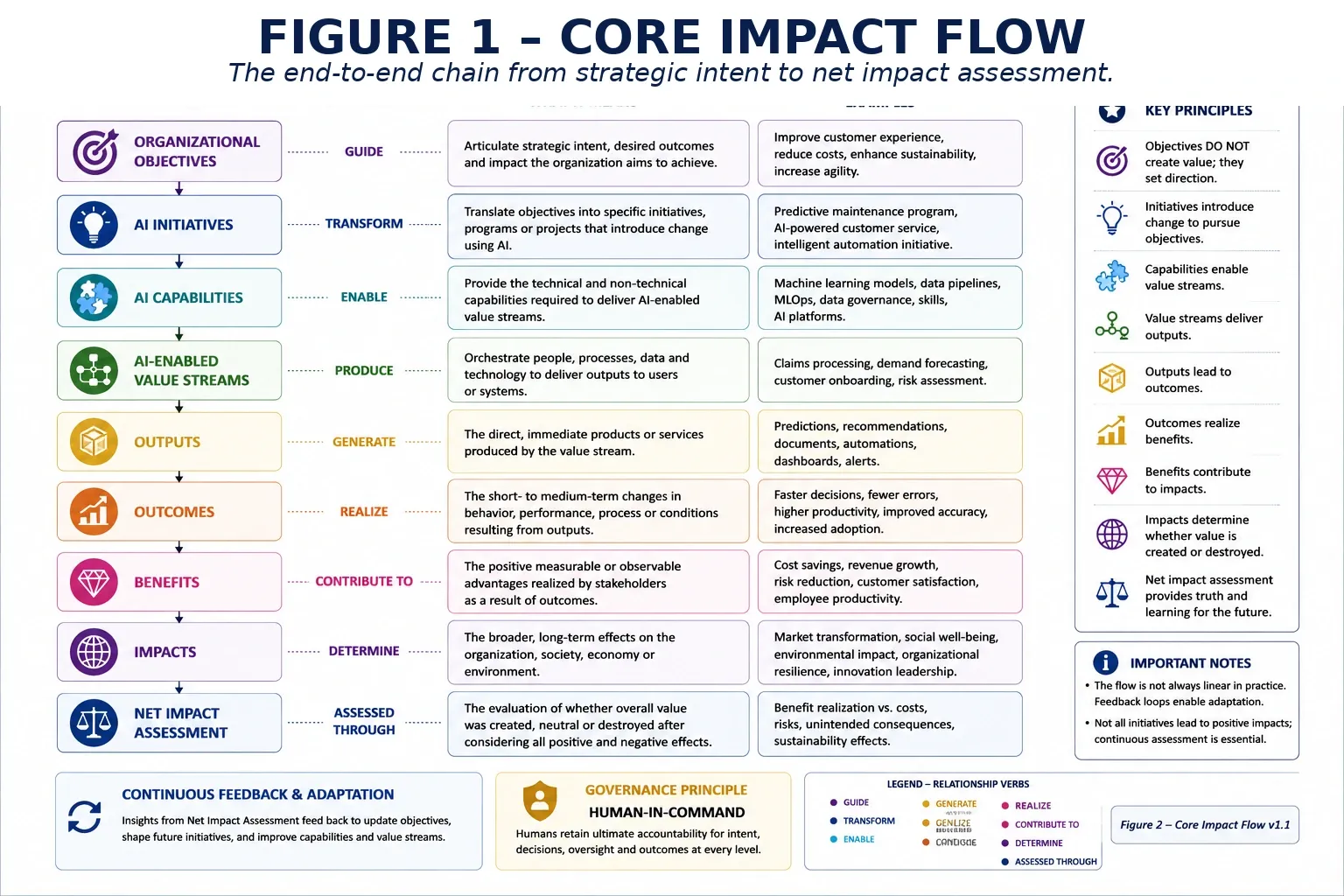
Figure 1. Core Impact Flow7. Core Ontology
7.1 Ontology Purpose
The ontology defines the core entities and relationships through which AI-enabled initiatives create organizational change, realize benefits and generate impact.
It connects strategic intent, organizational capabilities, AI initiatives, value streams, outputs, outcomes, benefits, impacts, governance controls, human accountability and organizational objectives.
7.2 Triple-Anchor Ontology
The ontology is structured around three semantic anchors: AI Initiative, AI-enabled Value Stream and Organizational Objective. These anchors connect execution, value flow and strategic intent.
| Anchor | Definition | Primary Question |
|---|---|---|
| AI Initiative | A coordinated organizational effort intended to create, enhance, augment, automate, govern or transform business capabilities through AI. | What organizational change is being undertaken? |
| AI-enabled Value Stream | The sequence of activities, workflows, decisions, interactions and services through which organizational value is created, delivered and sustained using AI-enabled capabilities. | How does value flow through the organization? |
| Organizational Objective | A desired future state the organization seeks to achieve. Objectives define direction but do not themselves create value. | Why does the initiative matter strategically? |
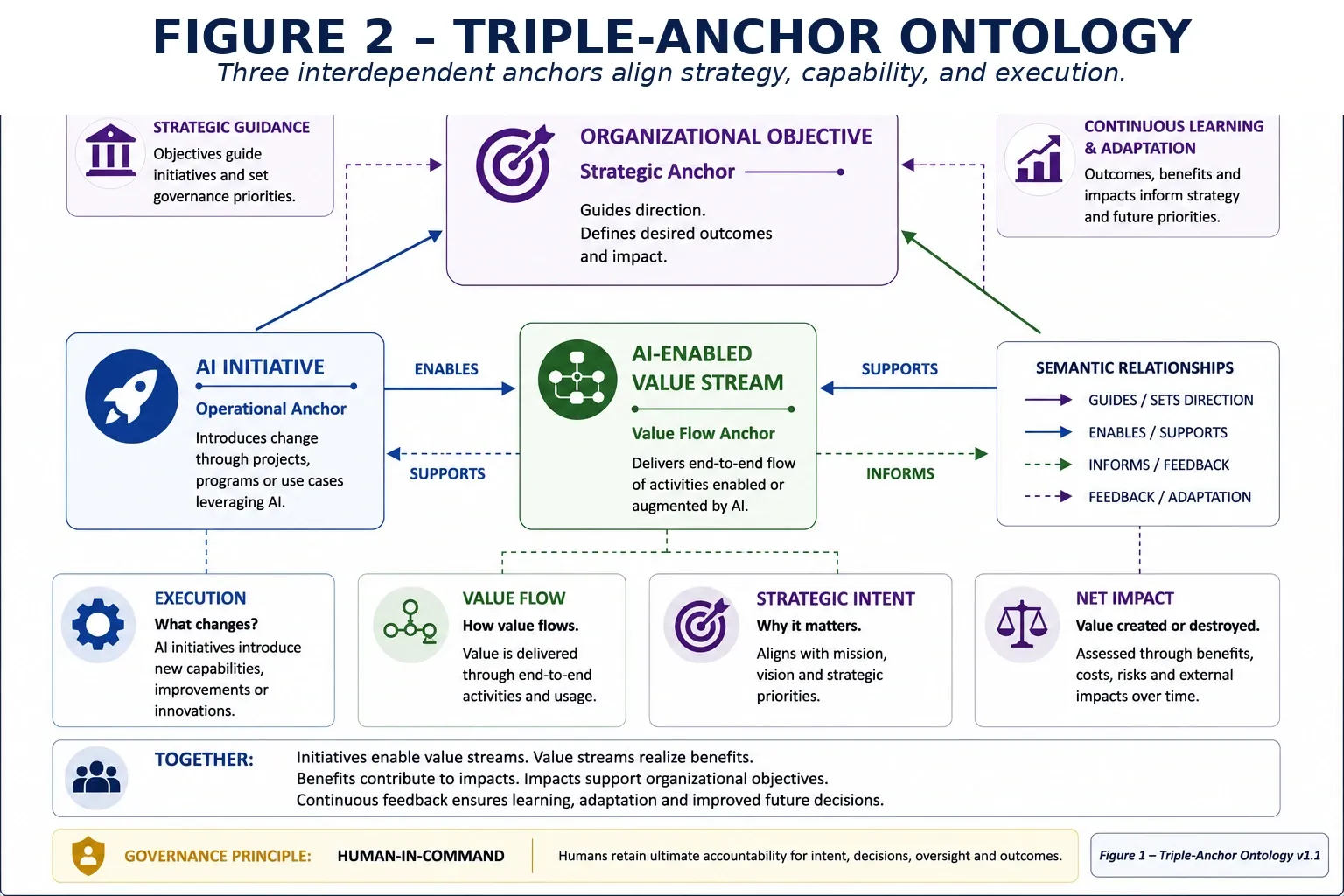
Figure 2. Triple-Anchor Ontology.7.3 Supporting Ontology Entities
| Entity | Role in the Ontology |
|---|---|
| Business Capability | Connects strategy to operational ability. |
| AI Capability | Provides technical or functional ability such as generative AI, predictive analytics or recommendation systems. |
| Data Asset | Represents the data required to build, operate, monitor or govern AI-enabled capabilities. |
| Governance Control | Guides, constrains, validates or monitors AI-enabled activity. |
| Risk and Uncertainty | Captures events, conditions and assumptions that may affect outcomes, benefits or impacts. |
| Human Actor | Represents the people who govern, sponsor, build, validate, adopt, use or are affected by AI. |
| Stakeholder | Represents individuals or groups that affect or are affected by the initiative. |
| Value Owner | Accountable for the net impact and together with governance control responsible for continuous business justification. |
| Vendor / Model Provider | Represents external dependencies in AI models, services, data, infrastructure or platforms. |
8. Core Semantic Relationships
Relationships are the semantic glue of the ontology. Without relationships, the framework would be a list of definitions. With relationships, it becomes a governance-aware value delivery model.
| Relationship | Meaning |
|---|---|
| ENABLES | Makes possible or supports execution. |
| TRANSFORMS | Changes or enhances a capability. |
| PRODUCES | Creates an output. |
| GENERATES | Creates an outcome or benefit. |
| REALIZES | Converts outcomes into benefits. |
| CONTRIBUTES_TO | Supports a broader impact or objective. |
| DEPENDS_ON | Requires another entity, capability, data asset or shared asset. |
| REQUIRES | Needs a control, capability, condition or resource. |
| GOVERNED_BY | Is overseen by a governance authority. |
| MITIGATES | Reduces a risk or exposure. |
| VALIDATED_BY | Requires human validation. |
| OVERRIDDEN_BY | May be superseded by human authority. |
| MEASURED_BY | Connects benefits or outcomes to indicators or evidence. |
| MONITORED_BY | Links capabilities, controls or benefits to responsible monitoring actors. |
A simplified value-flow relationship is: AI Initiative ENABLES AI-enabled Value Stream; AI-enabled Value Stream PRODUCES Outputs; Outputs GENERATE Outcomes; Outcomes REALIZE Benefits; Benefits CONTRIBUTE_TO Impacts; Impacts SUPPORT Organizational Objectives.
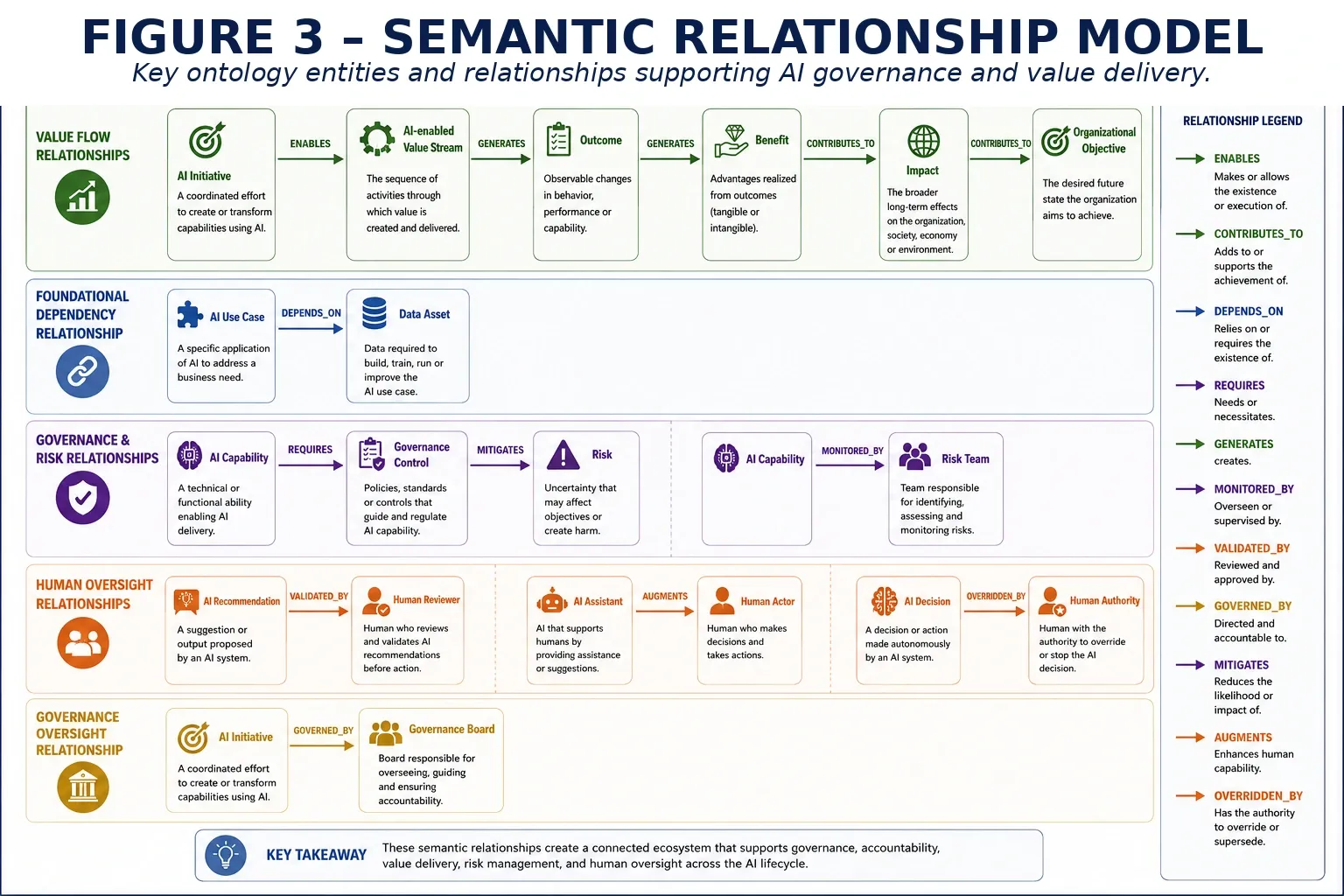
*Figure 3. Semantic Relationship Model.*9. Governance-Aware Semantic Architecture
The governance-aware semantic architecture expands the ontology beyond the value chain. It connects objectives, initiatives, capabilities, value streams, outputs, outcomes, benefits, impacts, risks, governance controls, data assets, AI assets, vendors, sustainability considerations, human actors and stakeholders.
This architecture supports traceability. A governance reviewer should be able to trace an AI initiative from its organizational objective through the value stream it enables, the outputs it produces, the outcomes it seeks to change, the benefits it expects to realize, the impacts it may create, the controls that govern it, and the humans who remain accountable.
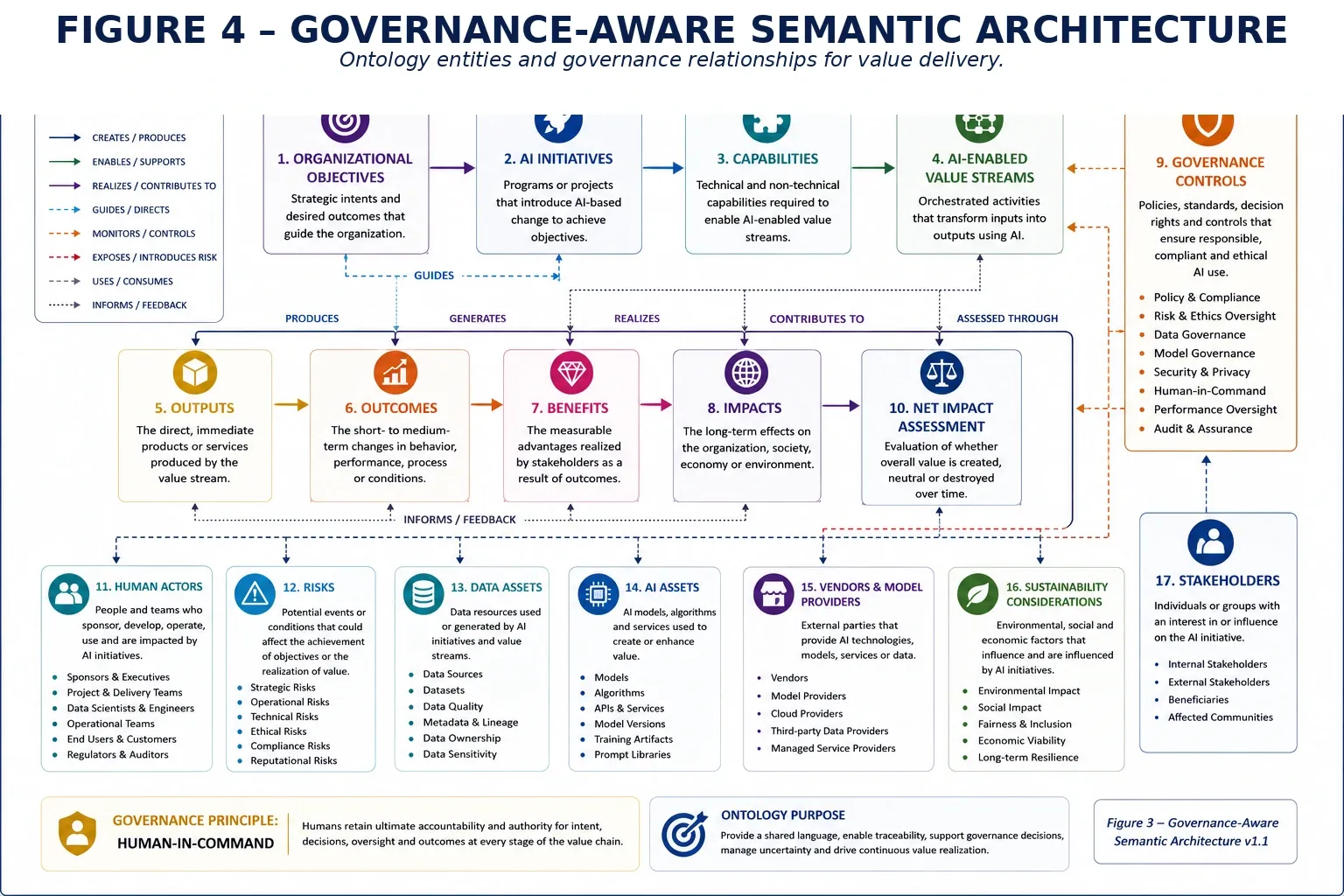
*Figure 4. Governance-Aware Semantic Architecture.*10. Core Taxonomy
10.1 Taxonomy Purpose
The ontology explains what entities exist and how they are related. The taxonomy classifies AI-enabled initiatives and identifies the governance implications of those classifications.
The taxonomy is both descriptive and normative. It is descriptive because it classifies initiatives. It is normative because classification affects governance expectations, monitoring requirements, evidence requirements, escalation logic, oversight obligations and value-realization expectations.
10.2 Taxonomy Design Principles
- Multi-dimensional classification: AI initiatives cannot be classified adequately by AI technology alone.
- Governance relevance: every classification should have governance implications.
- Lifecycle applicability: classification should remain relevant from business case through operation and retirement.
- Human-centered design: classification must consider human and societal consequences.
- Impact orientation: classification should support impact assessment and net impact logic.
- Semantic extensibility: classification should support future knowledge graphs and governance intelligence.
10.3 Revised Taxonomy Dimensions
The updated taxonomy expands the original ten dimensions to fourteen dimensions in order to incorporate Ambassador feedback, PMI AI Standard alignment, change management, solution fit, quality and reliability, and AI problem-pattern classification.
| Dimension | Purpose | Example Classifications |
|---|---|---|
| AI Role in PPPM | Clarifies whether AI is used as a tool, deliverable, operating capability or governance capability. | PPPM tool; project deliverable; operating capability; governance capability. |
| AI Capability Type | Classifies the underlying AI capability. | Generative AI; predictive AI; recommendation AI; computer vision; agentic AI; autonomous AI. |
| AI Problem Pattern | Classifies the problem domain rather than the technology alone. | Recognition; anomaly detection; conversational interaction; decision support; goal-driven system; autonomous system; hyper-personalization. |
| Business Intent | Clarifies why the initiative exists. | Cost reduction; revenue growth; risk reduction; governance improvement; customer experience; workforce augmentation; sustainability. |
| Value Profile | Classifies the type of expected value. | Financial; operational; strategic; human; societal; environmental; tangible; intangible. |
| Governance Profile | Determines governance intensity. | Low-risk assistive AI; human-in-the-loop; regulated AI; high-impact AI; autonomous AI. |
| Financial Profile | Classifies investment nature and financial exposure. | Experimental; incremental; transformational; platform investment. |
| Data Dependency Profile | Classifies data reliance and governance exposure. | Data-rich; data-constrained; sensitive data; external data; real-time data. |
| AI Quality and Reliability Profile | Classifies the quality and reliability expectations of the AI system. | Robustness; reliability; explainability; traceability; security; privacy; maintainability. |
| Human Impact Profile | Classifies human consequences. | Workforce augmentation; transformation; displacement risk; knowledge democratization. |
| Change Management / Organizational Readiness Profile | Classifies adoption and readiness implications. | Low change impact; workflow redesign; high adoption dependency; stakeholder resistance likely; enterprise operating model change. |
| Adoption Profile | Classifies usage, trust and adoption risk. | Low; medium; high adoption risk; trust dependency; learning-curve intensity. |
| Vendor Dependency Profile | Classifies external dependency exposure. | Open source; commercial SaaS; single vendor; multi-vendor ecosystem. |
| Sustainability Profile | Classifies sustainability and long-term resilience implications. | Positive impact; neutral impact; potential negative impact; long-term resilience. |
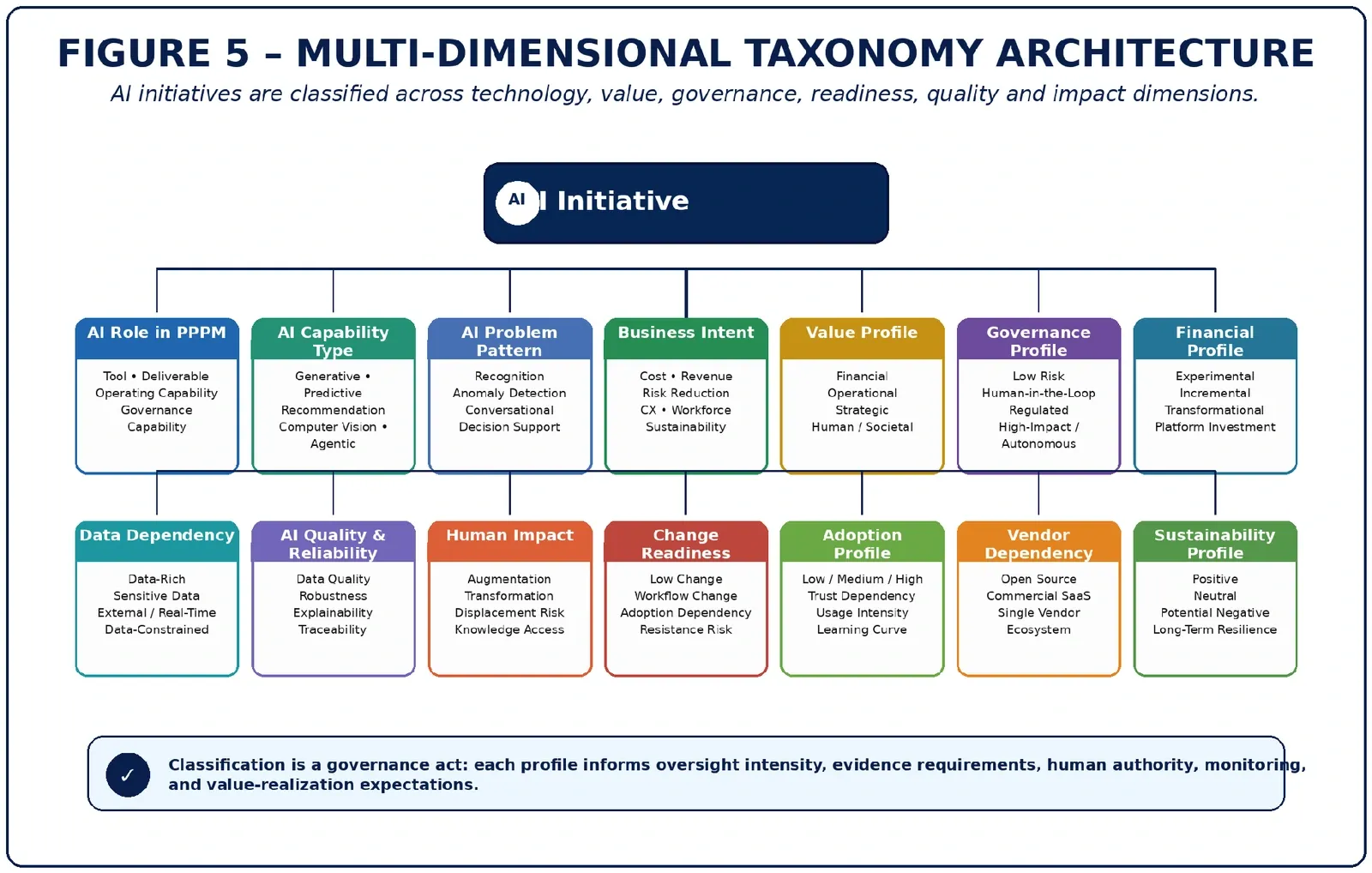
*Figure 5. Multi-Dimensional Taxonomy Architecture.*10.4 Composite Classification Example
A single AI-enabled initiative should be classified across multiple dimensions. For example, an AI Workforce Knowledge Assistant might be classified as:
| Dimension | Example Classification |
|---|---|
| AI Role in PPPM | Operating capability and PPPM support tool |
| AI Capability Type | Generative AI / retrieval-augmented generation |
| AI Problem Pattern | Conversational interaction and knowledge retrieval |
| Business Intent | Workforce augmentation and productivity improvement |
| Value Profile | Human and operational value |
| Governance Profile | Human-in-the-loop AI |
| Financial Profile | Productivity improvement investment |
| Data Dependency Profile | Internal knowledge assets and controlled repositories |
| AI Quality and Reliability Profile | Source traceability, hallucination control, content validation and security |
| Human Impact Profile | Knowledge democratization and capability enhancement |
| Change Management / Organizational Readiness Profile | Moderate workflow change and adoption dependency |
| Adoption Profile | Medium adoption risk |
| Vendor Dependency Profile | Commercial SaaS or hybrid platform |
| Sustainability Profile | Neutral to positive impact |
11. Human-in-Command Governance
11.1 Why Human-in-Command Matters
Artificial Intelligence introduces new capabilities for automation, augmentation, prediction, optimization and decision support. However, AI systems do not possess organizational accountability, legal responsibility, ethical judgment, fiduciary obligation, strategic intent or stewardship responsibility.
The framework therefore adopts the principle: AI may inform, recommend, optimize, automate and augment; humans remain accountable for objectives, decisions, consequences and impacts.
11.2 Human-in-Command and Human-in-the-Loop
Human-in-Command is broader than Human-in-the-Loop. Human-in-the-Loop focuses on whether a person participates in a workflow or decision. Human-in-Command focuses on authority, accountability, governance boundaries, escalation, override, ethical responsibility and impact accountability.
| Control Concept | Primary Focus | Limitation / Contribution |
|---|---|---|
| Human-in-the-Loop | A human participates before an AI-supported action is executed. | Useful control, but may not address strategic accountability or authority. |
| Human-on-the-Loop | A human supervises or monitors AI-enabled operation. | Useful for monitoring, but may be insufficient without escalation and override authority. |
| Human-in-Command | Humans retain ultimate accountability for objectives, decisions, consequences, governance and impacts. | Establishes accountability, authority and evidence requirements. |
11.3 Evidence Requirements
Human-in-Command governance must be evidenced, not merely asserted. At minimum, the following evidence should be defined or retained:
- Named strategic, governance, operational, escalation and override authorities.
- Decision logs showing who approved, rejected, escalated or overrode AI-supported actions.
- Evidence of human review for material recommendations, high-impact decisions and exceptions.
- Approval records for business case, governance profile, deployment, major changes and retirement.
- Escalation trails showing trigger, severity, decision authority, action taken and closure.
- Override logs showing when human intervention occurred and why.
- Benefit ownership evidence, including named Value Owner and benefit owner accountability.
- Change-management and adoption evidence, including readiness assessment, stakeholder engagement and adoption monitoring.
11.4 Value Owner
The updated framework introduces the Value Owner as a formal governance role. The Value Owner is accountable for the business outcome and for challenging whether the initiative remains worth continuing. The role is not merely a sponsor title. It requires value accountability, evidence of ownership, and authority to challenge or stop the initiative when key assumptions fail.
12. Relationship Between Ontology, Taxonomy, Governance and Evidence
The ontology, taxonomy and Human-in-Command principle work together.
- The ontology defines the entities and relationships.
- The taxonomy classifies the initiative across governance-relevant dimensions.
- Governance determines controls, monitoring, escalation, evidence and authority.
- Human-in-Command ensures accountability remains human.
- Evidence confirms that governance is operating, not merely described.
Together, these elements allow organizations to ask: What is this AI initiative? What capabilities does it affect? What value stream does it enable? What outcomes and benefits are expected? What impact is intended? What governance profile applies? What uncertainty exists? What human authority is required? What evidence confirms accountability and value?
13. Companion Document Set
| Paper | Purpose |
|---|---|
| Paper 1 – Core White Paper | Purpose, principles, value delivery logic, ontology, semantic relationships, taxonomy and Human-in-Command governance. |
| Paper 2 – Governance Operating Model | Governance triggers, authority, escalation, override mechanisms, lifecycle governance, monitoring, drift and adaptive governance. |
| Paper 3 – Practical Application Guide | Use case patterns, classification method, benefit mapping, governance profiling, implementation steps and practical examples. |
| Paper 4 – Future Roadmap | Semantic knowledge graph, governance intelligence, copilots, agents and Semantic PMO roadmap. |
| Paper 5 – Reference and Implementation Guide | Glossary, references, catalogs, matrices, templates and implementation checklists. |
14. Conclusion
AI-enabled initiatives are not merely technology deployments. They are adaptive value delivery systems operating within complex organizational, human, data, regulatory, ethical, financial and strategic environments.
The AI Governance and Value Delivery Ontology and Taxonomy Framework provides a conceptual foundation for understanding and governing these initiatives. Its core contribution is to connect AI initiatives, business capabilities, AI-enabled value streams, outputs, outcomes, benefits, impacts, organizational objectives, taxonomy dimensions and Human-in-Command governance within a coherent semantic architecture.
The framework incorporates AIPM Ambassador feedback, change-management and organizational-readiness logic, PMI AI Standard alignment, quality and reliability considerations, AI-as-tool versus AI-as-deliverable distinctions, AI problem-pattern classification, and stronger evidence requirements for Human-in-Command governance.
The central message remains unchanged: AI outputs do not create value by themselves. Outputs generate outcomes. Outcomes realize benefits. Benefits contribute to impacts. Net impact determines whether value is created. Human accountability remains essential throughout.
References
Project Management Institute. (2026). The Standard for Artificial Intelligence in Portfolio, Program, and Project Management. Project Management Institute.
Project Management Institute. (2025). A Guide to the Project Management Body of Knowledge (PMBOK® Guide) – Eighth Edition. Project Management Institute.
AIPM Framework Initiative. (2026). Consolidated Feedback: AI Governance and Value Delivery Framework – Five Papers + V1 Taxonomy. Internal working group review document.
AIPM Framework Initiative. (2026). Inter-Team Alignment Brief: Connecting the Four Teams. Internal coordination document.
El Baigi, J. (2026). PRISM: A Financial Decision Framework for AI Investments. Internal working paper. [Historical source title; the current AIPM Toolkit term is PRIISM.]